Get Full Government Meeting Transcripts, Videos, & Alerts Forever!
Get email alerts on the Records Management Laserfiche topic
No spam. Unsubscribe anytime.
Naples launches Laserfiche public records portal; clerk says county site could replace newspaper legal ads
Summary
The City Clerk demonstrated the city's new Laserfiche digital document repository and told council the office has been posting records since July 2024; staff also recommended a code change to publish legal notices on the Collier County Clerk of Court's public notices website in lieu of paid newspaper ads, saving an estimated $60,000 a year.
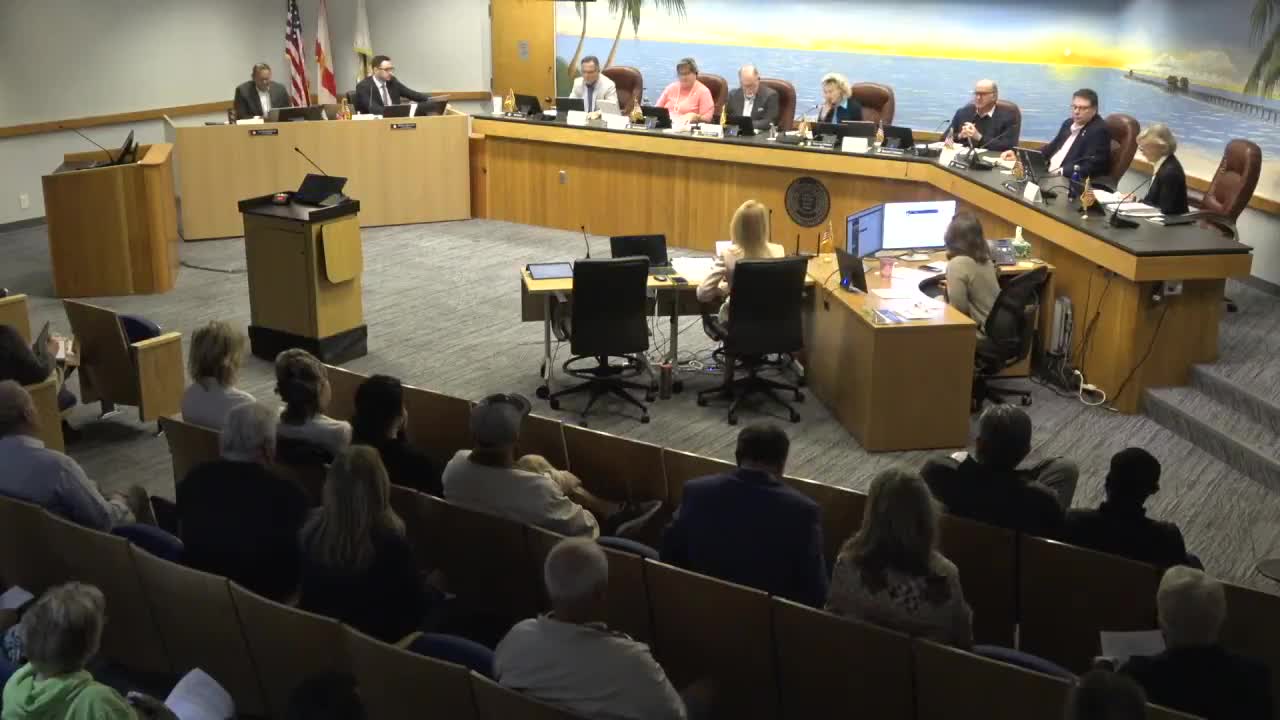
City Clerk Patricia Rambosk demonstrated Laserfiche, the city's new enterprise content management system, at the Jan. 13 workshop and showed council how meeting minutes, agendas, budgets, resolutions and ordinances (including records back to the 1920s) are searchable online and accessible from mobile devices.
Rambosk said the clerk's office completed a multi‑year in‑house project to scan, rename and prepare documents for upload and that staff preserved existing links to the city's streaming vendor so council materials remain connected to the agenda and video archives. She gave a live demonstration of text, template and name searches and explained that some image‑only files will not be full‑text searchable unless OCR text is embedded.
Rambosk also asked council for direction to amend the city code so the city can publish legally required notices on the Collier County Clerk of Court's publicly accessible legal‑notice portal in lieu of printing notices in a paid legal newspaper. She said the county clerk's site, established after House Bill 7049 (2023) changed state law, hosts notices for multiple local governments at no cost and includes subscription options and affidavit timelines the city is already using for staff workflow.
Rambosk said switching would reduce the city's publishing bill by an estimated $60,000 annually and cut staff time tracking affidavits, while also making notices more readable and available without requiring a newspaper subscription. She described a short transitional notice period (published once per year in the newspaper) and an opt‑in registry for residents who want mailed or emailed copies. Councilmembers asked staff to return with a cost estimate for the required public transition notice and to confirm technical details; several Councilmembers supported moving forward with a code amendment pending the cost estimate.
No formal vote was taken at the workshop; staff said an ordinance and resolution to implement the policy change would be prepared and returned for council action.