Get Full Government Meeting Transcripts, Videos, & Alerts Forever!
Get email alerts on the Zoning topic
No spam. Unsubscribe anytime.
Falmouth Zoning Board will accept written annual staffing reports from AutoCamp instead of mandatory in‑person updates
Summary
The Zoning Board of Appeals agreed the AutoCamp campground need not appear in person each year to report occupancy and staffing, but the board reserved the right to summons the operator if complaints arise; the applicant will submit a written update each January and continue annual Board of Health reporting.
The Zoning Board of Appeals agreed to let the operator of AutoCamp provide a written annual occupancy and staffing update instead of appearing in person, while reserving the board’s right to recall the project for in‑person review if complaints arise.
At the hearing the applicant’s counsel, Ian Urquhart of McLennan & Fish, told the board that “we always have a staff person there… whenever there’s a guest at the AutoCamp, somebody from the staff is on‑site to manage that.” General manager Dan Blum confirmed the campground is largely seasonal, saying, “in the off season…during the day, but there’s nobody there at night” except when guests are present, when the lobby is staffed 24 hours.
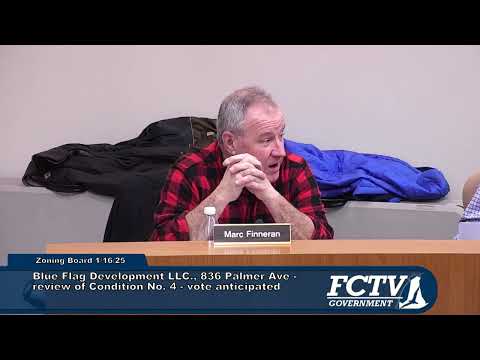
The campground’s special permit includes a condition requiring periodic reports to the board (condition 4). Urquhart and the operator asked the board to remove the requirement to return in person annually because, they said, the operation has been running without enforcement complaints and already reports annually to the Board of Health and to the police department.
Board members discussed the history of the condition and the original reasoning: the requirement was included when the use was new so the board could monitor enforcement and operational impacts. Several members said they were satisfied the condition could be modified so long as the board retains the ability to require an in‑person appearance if problems are reported to the zoning administrator.
Chair Suzanne Murphy moved that the applicant not be required to appear in person annually, provided the operator files a short written update each January; the motion carried. A friendly amendment was added to reserve the board’s right to request an in‑person appearance if the zoning administrator receives complaints. The board recorded no letters of opposition on file and noted continued Board of Health oversight.
The board did not change other permit conditions; the applicant will continue to report to the Board of Health and will submit the written occupancy/staffing update in January each year. The zoning administrator will treat complaints or new enforcement issues as triggers to require the applicant’s return to a public hearing.