Get Full Government Meeting Transcripts, Videos, & Alerts Forever!
Get email alerts on the Animal Welfare topic
No spam. Unsubscribe anytime.
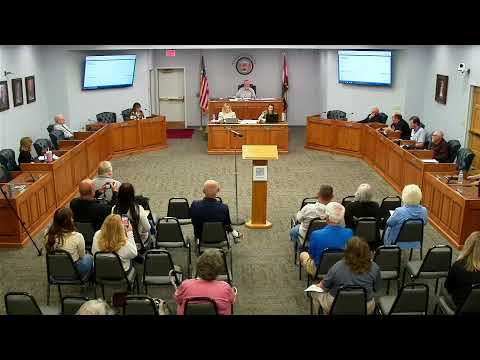
Shelter representative urges Carthage council to ratify humane-society contract, says stopping city intakes reduced parvo outbreaks
Summary
A shelter representative told the Carthage City Council that stopping routine intake of animals from the city reduced parvo outbreaks and lowered medical costs, and asked the council to finalize the humane-society contract so the shelter can continue serving animals.
A representative of the local humane society told the Carthage City Council that the shelter has seen fewer parvo outbreaks and better control of medical expenses since it stopped taking routine animal intakes from the city, and urged council members to finalize a contract with the shelter.
The shelter representative said, “We are surviving with the grace of God and the generosity of the people in the area who love animals. We control the number of animals that we take in. We can control the sizes, the breeds, when we take them, if we take them, etcetera,” and said the shelter had “had no outbreaks of Parvo or Kennelkow since October when we stopped taking animals from the city. It has given us more control over the shelter, more control over the medical expenses.”
The representative described current intake and medical costs: “We did take in 2 dogs this month from animal control, 2 German shepherds that got themselves in trouble. 1 of those 2 animals tested heartworm positive. That's something that we test on every animal that comes into our shelter.” The speaker explained the expense of treating heartworm can be high, saying a typical veterinarian cost is “$1,500 to $2,000” for testing, imaging and drug treatments, and that the shelter chooses to treat heartworm-positive animals where feasible.
Why this matters: shelter staff and volunteers told the council they receive 12 to 20 daily calls from people seeking to surrender pets for reasons ranging from moving and financial strain to behavioral issues. The speaker argued that most animal problems “can be traced to humans” and that ending animal suffering will require working together with the city and the community.
Council response and next steps: later in the meeting the mayor said the council “should be getting the contract back to the humane society so that we can work on getting that contract ratified,” signaling that the city intends to return a draft contract to the shelter for finalization. The council did not take a formal vote on the contract during this meeting.
The representative closed by quoting Mahatma Gandhi: “The greatness of a nation and its moral progress can be judged by the way its animals are treated.”