Get Full Government Meeting Transcripts, Videos, & Alerts Forever!
Get email alerts on the City Reports topic
No spam. Unsubscribe anytime.
Council asks staff to explain discrepancies in monthly reports for police, animal control and recreation center
Summary
Council members sought clarification about mismatches between calls-for-service tallies and reported crime counts, differences in animal control totals and why recreation center membership gains did not immediately show as revenue increases.
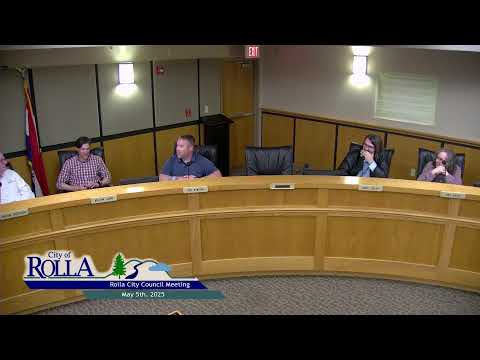
Rolla City Council members spent substantial time during the consent agenda asking staff to reconcile inconsistencies across monthly reports, including police calls-for-service versus Part I crime totals, animal control counts, and membership versus revenue at the community center.
A council member asked why larceny showed 32 incidents in the crimes section while calls for service listed 31. Staff deferred to the department leads for specifics, and staff suggested reclassification can change whether a call-for-service becomes a Part I crime on the crimes report. When asked about an apparent mismatch between overdose counts on calls for service (14) and the report (17), staff said incidents can be reclassified.
On animal control, members noted calls-for-service were listed as 77 while the monthly total showed 85; staff said animal control tracks its own totals separate from the general calls-for-service report and that the city’s chief secretary compiles figures from the system.
Separately, a council member asked why the recreation center showed a net membership increase (roughly +40) while revenue decreased. John (city administrator) explained membership counts are a snapshot at the end of a month while revenues post in the following month; late sign-ups and waived enrollment fees can make membership and revenue appear out of phase.
Council asked staff to “look at those and get back” with clearer explanations and a reconciliation of reporting sources.
Why it matters: accurate, reconciled public safety and service data help elected officials and residents assess trends and allocate resources. Reclassification practices, departmental tracking methods and timing of revenue recognition can create data mismatches; council asked staff to provide clearer explanations and resolved to follow up.
Discussion vs. decision: council discussion identified reporting differences and asked staff to investigate; no formal policy change or vote was recorded.