Get Full Government Meeting Transcripts, Videos, & Alerts Forever!
Get email alerts on the Community Recreation topic
No spam. Unsubscribe anytime.
Equestrian groups press county after indoor fairgrounds public sessions suspended; advisory committee offers to draft recommendation
Summary
After county staff applied an equity review to fairgrounds programming, Boulder County Parks and Open Space suspended unscheduled indoor public "open ride" sessions; on Feb. 27, dozens of equestrian stakeholders, 4-H families and volunteers urged the Parks and Open Space Advisory Committee to recommend restoring winter indoor access.
Community members, equestrian volunteers and youth-program leaders pressed the Parks and Open Space Advisory Committee on Feb. 27 to reinstate indoor open-ride public sessions at the Boulder County Fairgrounds for the 2025–26 winter season after the county discontinued those unscheduled sessions.
Cindy Johnson, speaking for open-ride users and community stakeholders, told the committee the decision to close winter indoor sessions was insufficiently transparent and urged the committee to recommend the commissioners reinstate open ride for the next winter season. "We are simply asking for the opportunity to go back to the drawing board and try again," Johnson said, and asked the committee to forward that recommendation to the Board of County Commissioners.
Joe LaFollette, Fairgrounds Manager, said the policy change came after a county review that applied an ‘‘equity lens’’ to unscheduled public sessions that historically allowed informal, low-fee or $5 access. "Imagine the fairgrounds is a big sandbox...there's thousands of people around that sandbox that want to get in it," LaFollette said. He explained staff cannot safely and equitably open unscheduled public sessions to all potential user groups, given limited space, parking, building capacity and staffing. LaFollette said scheduled programs, 4-H activities and leased events continue.
Therese Gloerke, Director of Parks and Open Space, added that the change affected multiple user groups and multiple indoor spaces (not only equestrian open ride) and said scheduled programs such as 4-H equestrian activities remain in place. "This was a very thoughtful process that staff went through analyzing how much county time and resources are dedicated to these programs that we offer," Gloerke said.
Multiple speakers representing equestrian users and agricultural traditions described the indoor arena’s role for training, youth programs and cultural continuity. Dr. Jeremy Spivey, a veterinarian who has organized team roping practices at the fairgrounds for decades, said the Tuesday night practice draws 40-plus people during winter months and represents longstanding local equestrian tradition. Several speakers noted that winter outdoor riding is often unsafe or impractical because of snow and ice and that the indoor arena provided consistent footing and a place for youth and 4-H teams to train and prepare animals.
Speakers proposed compromises and volunteered help. Several suggested limited re-opening on a reduced schedule, reserved nights for historic users, cost-sharing or volunteer support for arena preparation and equipment operation. Carpenter and farrier speakers offered volunteer labor, and some suggested user groups could arrange scheduled leases to secure winter access.
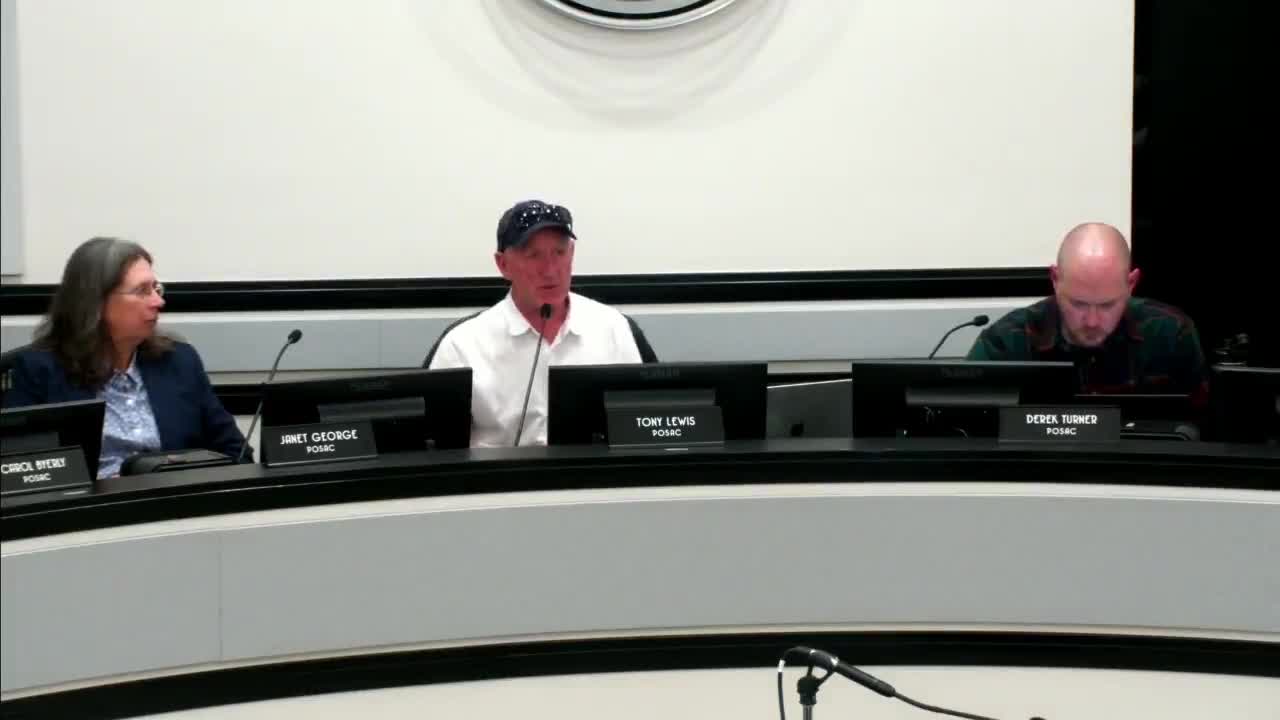
Committee members discussed next steps and process. Derek Turner and others suggested the advisory committee consider a formal recommendation to the Board of County Commissioners; Trace Baker proposed the committee hold a working session (publicly noticed) with county staff to craft a letter or recommendation. LaFollette said the fairgrounds currently lacks capacity to safely open unscheduled sessions to all potential users but welcomed continued dialogue on specific, resourced proposals.
Ending
Advisory committee members asked staff and commissioners to continue dialogue with user groups. Committee leadership said they would consult with staff to schedule a working session to develop possible recommendations to forward to the Board of County Commissioners; the committee did not take a formal vote on policy reversal at the meeting.