Get Full Government Meeting Transcripts, Videos, & Alerts Forever!
Get email alerts on the Public Health Overdose topic
No spam. Unsubscribe anytime.
Burlington council approves submission of plan for city’s first Overdose Prevention Center
Summary
Burlington City Council on April 28 voted unanimously to approve and submit a project proposal and compliance plan to the Vermont Department of Health to implement an Overdose Prevention Center under Act 178.
Burlington City Council on April 28 voted unanimously to approve and submit a project proposal and compliance plan to the Vermont Department of Health to implement an Overdose Prevention Center (OPC) under Act 178, the state legislation that authorized OPCs and related opioid settlement funding. The council’s approval authorizes the mayor’s office to move the proposal into state contract development and begins a planning phase that officials said will include neighborhood assessments, site selection and formal contracts with the selected operator.
The proposal, developed by the mayor’s office in partnership with Vermonters for Criminal Justice Reform (VCJR), would use fiscal-year 2026 opioid settlement funds the legislature allocated for OPCs. Theresa (Mayor’s Office staff) told the council the city “is hoping that it will be a vote in favor, to submit this proposal to the Department of Health,” and said the city expects contract review and negotiations with the state to take about six to eight weeks before the project advances to formal subrecipient contracting and planning.
Why it matters: Chittenden County has recorded the highest number of opioid-related deaths in Vermont in recent years, and public health and harm-reduction advocates said an OPC would reduce fatal overdoses and connect people who use drugs to housing and treatment. Supporters said an OPC would also reduce public drug use and syringe litter while creating a low-barrier hub for care.
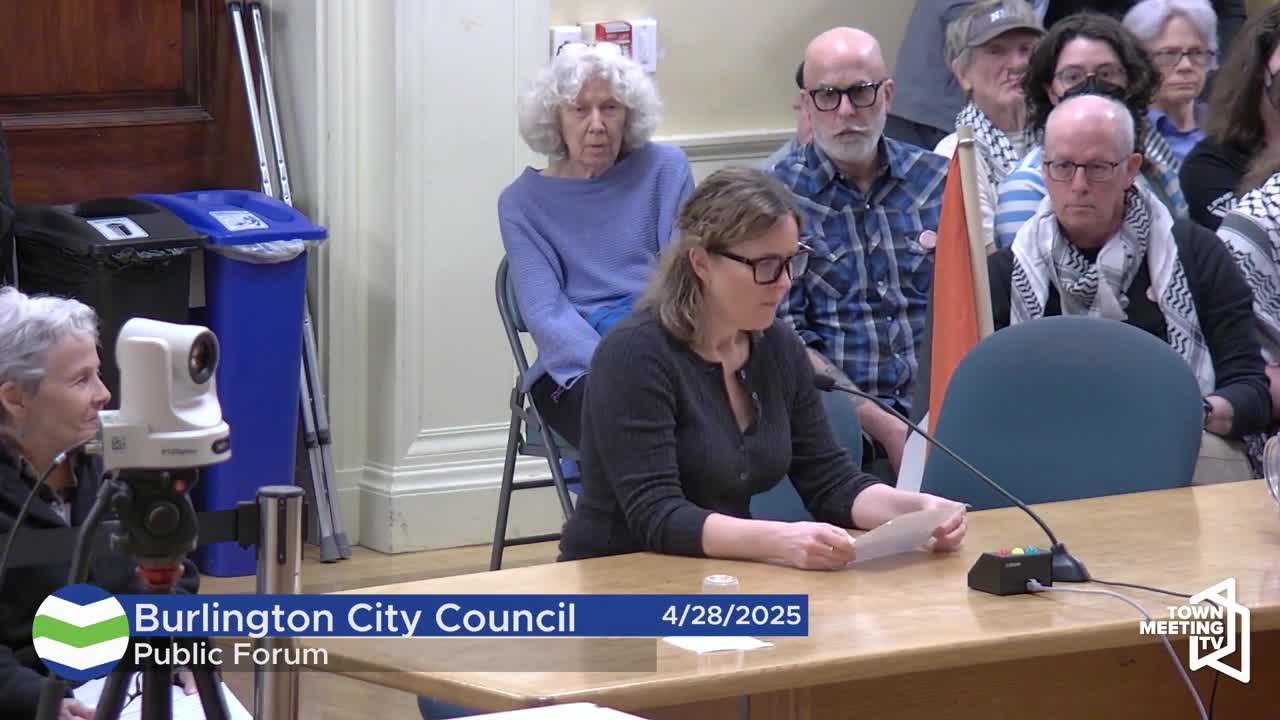
Public comment at the meeting featured more than a dozen residents and health professionals urging the council to approve the plan. Ed Baker, who identified himself as a person with lived experience in sustained recovery, urged urgency: “This means cutting the ribbon and opening the doors to Vermont’s first overdose prevention center right here in Burlington as soon as is humanly possible.” State Representative Troy Hedrick, who described his sponsorship role for legislative steps that led to Act 178, told the council: “You’re not being asked to start this race. You’re being asked to finish it for everyone who carried that baton.”
Council action and next steps: Councilor Emma Barlow moved the motion to submit the city project proposal; the motion included three conditions: (1) that acceptance of any state grant monies and execution of any subrecipient agreement would require board of finance and city council approval; (2) that any zoning amendments necessary to accommodate a site would require City Council approval; and (3) that data and service metrics submitted to the state would be simultaneously communicated to the City Council. Councilors seconded the motion and voted to approve the submission. The administration said it will submit the proposal to the Vermont Department of Health immediately, enter contract negotiations with the state, and return to the council for formal acceptance of grant funds and approval of subrecipient agreements and any zoning actions.
What the plan does not decide: The council’s vote authorized submission of the implementation proposal and the start of formal planning and contracting. It did not select a final physical site for an OPC, nor did it execute any contract. The city and VCJR said neighborhood and service assessments, site evaluations and additional public engagement will follow; any final contract or zoning change must come back to the council for approval.
Background: The OPC implementation proposal builds on Act 178 (2024) and on prior state investments in harm-reduction services. The council and public comments framed the item as part of a broader response to a local overdose crisis, emergency-response strain and efforts to link harm reduction with pathways to treatment and housing.
Community engagement and reporting: City staff and the chosen provider said they will conduct neighborhood outreach and formal assessments during the planning phase and will provide publicly available data and service metrics to the council as required by state law and the grant terms.