Get Full Government Meeting Transcripts, Videos, & Alerts Forever!
Get email alerts on the Homelessness Prevention Eviction Policy topic
No spam. Unsubscribe anytime.
Committee substitutes homelessness‑prevention package, raises eviction filing fee and changes program eligibility; landlords and legal services oppose
Summary
The committee reported a substitute for A3282 (with A4964 rolled in) that revises the state's homelessness prevention program, changes eligibility rules to allow access before an eviction docket number exists and raises the eviction filing fee to support prevention services; landlords and tenant advocates expressed conflicting views.
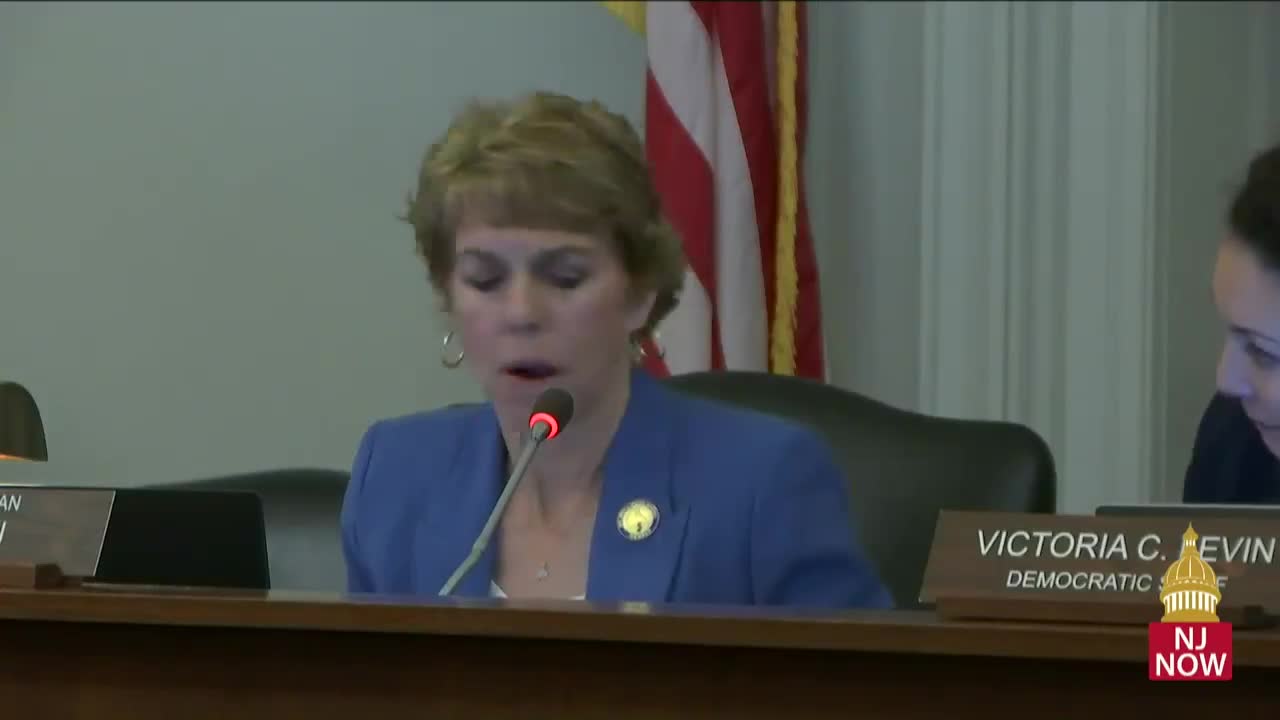
The Appropriations Committee on May 15, 2025 reported an Assembly committee substitute combining Assembly Bill 3,282 with A4,964 that revises the state's homelessness prevention program, allocates $300 million and raises the eviction filing fee to generate revenue for prevention and diversion programs.
The hearing drew extensive, split testimony. The Apartment Association of New Jersey opposed the measure, arguing higher filing fees and restrictions would increase operating costs for rental property owners and could be passed to tenants. "If you want to lower the cost of housing, you cannot increase the expenses associated with owning and operating rental housing," said David Brogan, representing the Apartment Association.
Legal Services of New Jersey said it supported the homelessness‑prevention expansions in the substitute but opposed the proposed filing‑fee increase. Maura Sanders said fees of the type proposed historically are often passed through to tenants and would harm low‑income renters who already face heavy rent burdens and housing instability.
Housing and homelessness advocates and some housing‑policy experts urged the committee to approve the substitute. Matthew Hirsch of the Housing and Community Development Network said raising the eviction filing fee can deter filings and provide revenue for eviction diversion, rental assistance and legal services. Raissa Reuben Stankiewicz of the New Jersey Coalition to End Homelessness told the committee that homelessness in New Jersey rose 45% over two years and argued the substitute's program changes — including eligibility before an eviction docket number is filed — would remove a catch‑22 that prevents some households from accessing help.
The committee substitute preserves provisions to prevent landlords from passing fees directly to tenants and directs revenue to homelessness prevention programs, according to testimony and sponsor remarks. The committee reported the substitute after debate; members of the committee expressed concern over impacts on small landlords and asked for additional study and outreach to affected stakeholders.
The transcript records significant disagreement among stakeholders but concludes with the committee reporting the substitute to the next stage. The substitute was advanced for further consideration with committee direction to explore balance between tenant protections, program funding and small‑landlord impacts.