Get Full Government Meeting Transcripts, Videos, & Alerts Forever!
Get email alerts on the Proffers topic
No spam. Unsubscribe anytime.
Stafford planners explain proffers: how developer payments fund capital projects and the limits on use
Summary
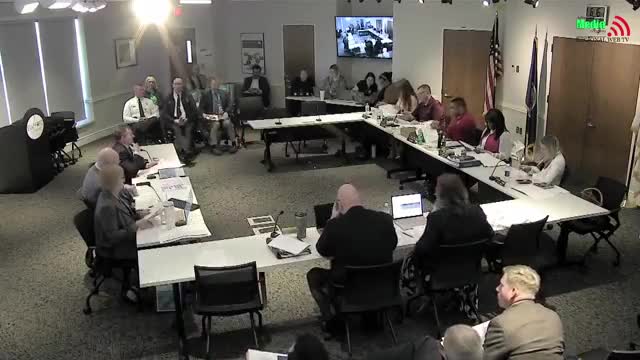
Planning staff explained at the budget work session how proffers are collected, tracked and applied to CIP projects, and clarified legal constraints: proffers must be tied to capital impacts, are location‑limited and generally cannot be changed after rezoning without a formal amendment.
Staff from Planning & Zoning and legal counsel gave an overview of proffers — voluntary commitments provided with rezoning applications — and how the county applies those funds to capital projects.
Mike Saraf, the county’s director of planning and zoning, told the board that proffers are intended to offset development impacts associated with a rezoning and that Virginia’s proffer system is relatively unique among states. Saraf described common proffer types — use restrictions, dedications, infrastructure improvements and monetary contributions — and said monetary proffers are usually restricted to capital spending (transportation, schools, parks, fire and rescue) and cannot be used for operating costs.
Saraf said monetary proffers can be structured as per‑unit payments (typical for residential rezonings) or lump‑sum payments and are subject to annual inflation adjustments. Proffer funds, he said, are tracked on a proffer spreadsheet that identifies available balances, eligible facility types and likely future receipts based on development activity; staff use school attendance zones and fire first‑response areas to determine location eligibility when matching funds to CIP projects.
On legal limits, county legal staff confirmed that proffers are assessed against capacity at the time of rezoning approval. "When a rezoning is approved, capacity is looked at at that point," a county legal representative said, and the resulting proffer obligation stands unless the applicant returns to the board or pursues a formal amendment. Staff also said proffers must be used within 12 years after a development’s build‑out for the specified facility types.
Why it matters: proffers can reduce local capital needs when projects build out and payments are available on schedule, but they are not a steady substitute for recurring revenue. Supervisors asked staff for a countywide proffer inventory and for periodic updates on which proffered funds are expected to materialize in the near term so the board and school staff can consider them in capital planning.
Staff said they will provide supervisors with the proffer tracking spreadsheet and noted that some older proffered projects that never developed may need amendment or re‑negotiation if the county and the proffer holder want to repurpose funds.