Get Full Government Meeting Transcripts, Videos, & Alerts Forever!
Get email alerts on the Veterans Benefits topic
No spam. Unsubscribe anytime.
Commissioner of the Revenue outlines scale of veteran property-tax exemptions and asks state for help
Summary
Commissioner Scott Mileski told the Board that Stafford’s local administration of state-mandated veteran tax exemptions is costly — about $23 million in real-estate exemptions and $4 million in vehicle exemptions annually — and urged state-level assistance and clearer centralized guidance.
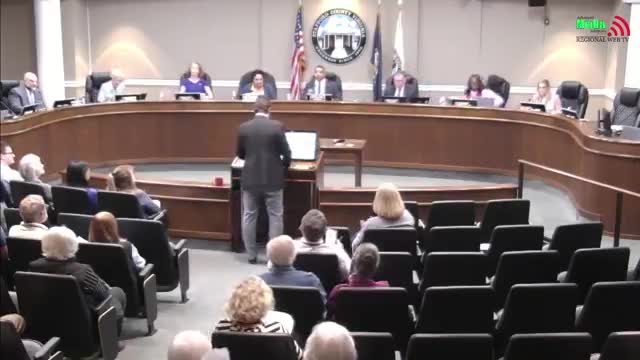
Commissioner of the Revenue Scott Mileski briefed the Board of Supervisors on April 1 about Stafford County’s administration of state‑mandated tax exemptions for veterans and surviving spouses, saying the program now represents an annual cost to the county of roughly $23 million in real‑estate exemptions and about $4 million in personal‑property (vehicle) exemptions.
“The code gives the commissioner revenue in each locality the authority and responsibility to interpret the code,” Mileski told the board, and he emphasized that the detailed rules are ambiguous in places and that the state offers no dedicated reimbursement for local administration. “This is the only state mandated service where we are not receiving any compensation for the administration of the program,” Mileski said, describing the resources required and asking for more state support and centralized data.
Mileski outlined key aspects of the program as it operates in Stafford: the exemption covers the owner’s principal residence (up to one acre) and “things permanently attached to the land,” an attorney‑general opinion has been read to allow exemptions for structures such as pools or driveways where those elements are within the one‑acre residence parcel. He also said long‑running questions remain about cross‑jurisdictional eligibility (a veteran receiving similar relief in another state, or in another Virginia locality) and that staff must ‘‘police’’ claims using a mix of local land records, state guidance, and contacts with other jurisdictions.
Mileski said the county spends staff time verifying eligibility, tracking parcels, and consulting other localities and that the program’s complexity has increased the administrative burden. He told the board that the Virginia Department of Veterans Services issues guidance, but it is not always up to date with legislative changes and there is no centralized database of qualified veterans for local assessors to consult.
Board members thanked Mileski and several members emphasized that the county supports veterans and that the program should not be used as a political cudgel. Several supervisors urged continuing outreach to the Commonwealth’s delegates and the Department of Veterans Services to pursue clearer guidance and possible reimbursement from the state. Mileski and several supervisors suggested reaching out to national and state associations of assessors and veterans’ affairs offices to build a better, centralized approach.
The presentation underscored the tension between a broadly supported public policy—tax relief for certain veterans—and the local budgetary and administrative burdens that result when the state delegates eligibility and implementation to local assessors without direct funding or a centralized verification system.