Get Full Government Meeting Transcripts, Videos, & Alerts Forever!
Get email alerts on the Local Budget Taxes topic
No spam. Unsubscribe anytime.
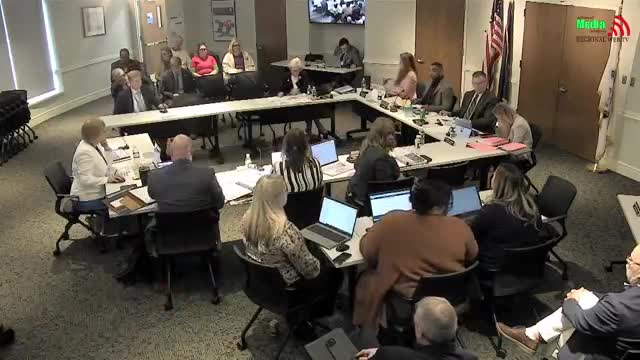
Stafford supervisors spar over FY26 budget, taxes as board weighs cuts and new revenues
Summary
Stafford County supervisors spent most of an April work session debating ways to close a projected shortfall in the proposed fiscal 2026 budget, centering on whether to raise the real‑estate tax rate, shift costs to new taxes or find program cuts.
Stafford County supervisors spent most of an April work session debating ways to close a projected shortfall in the proposed fiscal 2026 budget, centering on whether to raise the real‑estate tax rate, shift costs to new taxes or find program cuts.
The board’s budget staff told supervisors they face a narrow range of outcomes from the state that will affect school funding. Ms. Light, the county’s budget lead, said staff’s best case estimate of state revenue puts Stafford in a position to cover some costs but not all: "We do anticipate that expenditures overall for fiscal year 25 are going to come in at or below budget," she said, but added the board must choose how to fill remaining gaps.
Why it matters: the board is weighing whether to raise the county real‑estate tax rate to cover recurring costs — including previously approved public‑safety pay increases — or to keep the tax rate flat and make one‑time or ongoing cuts. Supervisors repeatedly said they want to avoid surprising residents with higher property tax bills, while others urged aggressive trimming of expenditures.
Most contentious were proposals to: (1) reduce or zero out some outside partner‑agency grants; (2) delay or reduce portions of planned county staff pay adjustments and market‑pay changes; and (3) route new revenue to schools through a meals‑tax increase or a transient‑occupancy (hotel/motel) tax. Supervisor Vannouch proposed cutting $522,964 in “above‑the‑line” partner agencies and zeroing multiple smaller grants (a package the county manager described as staff doing an informational exercise rather than a formal recommendation). She also proposed removing an extra EDA (Economic Development Authority) request of $60,000 and fundraising reductions for the Fredericksburg Regional Alliance.
Supervisors debated timing options for planned pay increases. One board option would delay an across‑the‑board general government pay increase scheduled for July 1 to Jan. 1, which staff said would save about $775,000 in the current fiscal year but push those costs into the next budget. "If you are starting to address pay, there is always going to be an expectations‑management issue," County Administrator Bill [last name not stated] told the board.
Several supervisors argued for using targeted new taxes so the residential property tax burden would not rise. Staff estimated a 1‑cent meals tax could generate roughly $3.1 million; a transient‑occupancy tax re‑advertisement or change could shift some burden to visitors and short‑term stays. Board members suggested pairing any new tax with explicit earmarks (for example, dedicating meals‑tax proceeds to schools) and holding public hearings before adoption.
Other proposals included: applying year‑end (FY24) carryover funds to limited overtime or one‑time needs; deferring capital projects in the capital improvement plan (CIP) to reduce near‑term borrowing; and reducing operating budgets by a targeted percentage (staff noted a 7% cut would save roughly $700,000 but warned departments would need time to identify contracts and services that could be reduced). Ms. Light reported a number of smaller savings already identified, such as refunding on a debt issue (BPSA refunding) and some vacancy‑savings increases.
Board process and next steps: supervisors informally polled each other on specific items during the session but did not take formal votes. Several members asked staff to produce revised budget scenarios that reflect combinations of the choices discussed: level‑funding schools, a meals‑tax public hearing, partner‑agency reductions, and delaying portions of the county pay adjustments. The board scheduled further work and directed staff to prepare the public‑hearing advertisements and revenue projections needed before a final budget vote.
Ending: The work session concluded with supervisors agreeing to continue negotiations and for staff to compile the proposals discussed so the board could consider a revised budget package at the next meeting.