Get Full Government Meeting Transcripts, Videos, & Alerts Forever!
Get email alerts on the Land Use And Environment topic
No spam. Unsubscribe anytime.
Residents urge council to delay Port of Corpus Christi solar farm permit as public hearing draws dozens
Summary
Dozens of residents and environmental advocates urged the Ingleside City Council to table a Port of Corpus Christi request for a special use permit to install a large solar farm on McCampbell tract wetlands. The council voted to postpone action to the next meeting while staff and council refine permit language and drainage conditions.
Dozens of residents urged the Ingleside City Council on Jan. 28 to deny or postpone a Port of Corpus Christi request for a special use permit to install a large, utility-scale solar farm on the McCampbell tract.
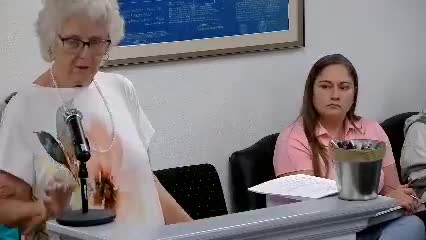
Speakers at the public hearing said the proposed project would cover wetlands that provide drainage and habitat and that the community learned of the proposal only recently. “I ask that you vote no or at least table it for a long time,” resident Martha Hoblitzel told the council. Ashley Griffith, who said she is a fourth-generation resident, told council members, “This is my home. I too worry about the generational long term effects of this.”
The Port’s representative, Sam Esquivel, director of real estate for the Port of Corpus Christi, described the application as a request for a grid-tied solar panel array on roughly 1,800 acres of port-owned property (the McCampbell tract is roughly 2,800 acres). He said the parcel proposed for rezoning under the special use permit is slightly more than 1,200 acres and that the port has an active U.S. Army Corps of Engineers permit application related to fill and wetland mitigation. Esquivel said the port is not requesting battery storage in the permit and that the port expects any developer to address drainage and mitigation during design and permitting.
Local environmental advocates raised several specific concerns. Cindy Valdez, executive director of Coastal Watch Association, noted the Army Corps had not approved the port’s permit to discharge fill and said Texas Parks and Wildlife had recommended against issuing the permit because of likely ecological harm. Valdez said the port’s application reportedly seeks authorization to place about 111,000 cubic yards of fill and to impact two acres of wetlands, and that similar projects elsewhere have harmed birds and other wildlife. “If this solar farm is allowed, you will be paving the way for the cities bordering this land to be surrounded by ammonia plants for generations,” Valdez said, linking the solar project to broader regional industrial plans discussed at previous council meetings.
Other residents described flooding and drainage risks tied to McCampbell Slough. Joe Rochelle Garrett, who lives adjacent to the tract, said runoff currently flows across the property and that the wetlands “soak up toxins before that water goes on into our base systems,” adding he opposed the project. Several speakers urged the council to require stronger, enforceable conditions on drainage, wetland mitigation and a clear expiration if the site is not developed commercially.
Council members debated whether the draft special-use language had sufficient “teeth.” Council members praised the work of one colleague who drafted a long list of conditions intended to make the permit enforceable — including a deadline for development, specific drainage easements with the San Patricio County Drainage District, and mitigation ratios — but multiple council members said the draft needed legal tightening and clearer language before the council should move to second reading.
Mayor Pro Tem and other council members raised technical questions about airport height limits in the area and whether those restrictions would constrain industrial development, a point the port representative used to say taller flares or stacks would be difficult on parts of the property.
After extended discussion and public comment, a motion was made to postpone action to the next council meeting so staff, the mayor and the mayor pro tem could work with the port and the city attorney to add enforceable conditions. The motion to postpone carried on the council roll call (ayes recorded in the meeting record; one vote against). The council asked staff to return with tightened ordinance language that would: specify drainage easements or improvements coordinated with the San Patricio County Drainage District; clarify wetland mitigation requirements; state an expiration if the solar project is not built within a set timeframe; and explicitly exclude battery storage unless separately approved.
Why it matters: The site at issue drains into McCampbell Slough and Port Bay and is contiguous to residential properties and small farms. Residents and conservation groups told the council they fear irreversible change to wetlands, impacts to migratory birds and pollinators, and long-term industrial encroachment. The port and proponents say the project could create taxable improvements and does not require city utilities or significant city services, but council members said the permit needs stronger, enforceable conditions before advancing.
What’s next: Staff and the mayor’s office will work with the port and the city attorney to draft clearer permit language and mitigation/drainage commitments; the item will be placed on the next council agenda for further consideration.