Get Full Government Meeting Transcripts, Videos, & Alerts Forever!
Get email alerts on the Occupancy Tax topic
No spam. Unsubscribe anytime.
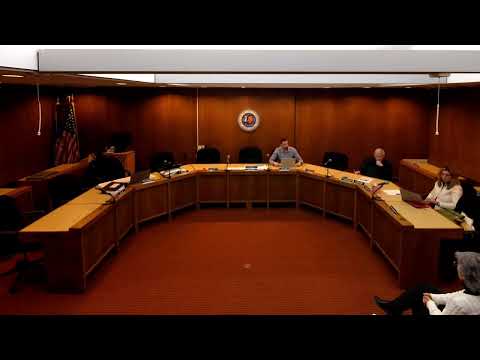
Council begins conversation on a municipal occupancy tax; timeline, rate and administration remain undecided
Summary
Councilors reviewed a staff report on the possibility of Oneonta adopting a municipal occupancy tax similar to the county’s 6% bed tax. Staff explained state authorization and collection mechanisms; councilors discussed potential effects on short‑term rental hosts and tourism and asked for more analysis and stakeholder outreach.
City staff presented background for a possible municipal occupancy tax and asked the council for initial direction on whether to pursue state authorization and, if so, what rate to propose.
Staff said Otsego County currently collects a 6% occupancy tax within the city and that recent state law changes require booking platforms (for example, Airbnb and VRBO) to collect and remit occupancy taxes, which simplifies administration. Staff reviewed examples of other municipalities and suggested a 6% rate as a starting point because it matches the county rate; other municipalities cited in attachments levy 2–6% depending on local choices.
Councilors raised concerns about the impact on hosts who primarily rent to families attending regional events such as baseball tournaments and whether the additional city tax would deter bookings. Staff noted county collections in 2023 show about 42 properties in the city remitted occupancy tax and that local collections totaled $397,000; staff said this figure was the county’s actual collection for those properties in 2023.
Staff outlined the process: the city would ask state legislative sponsors to draft authorizing language, the state legislature would have to pass it, and then the city would adopt a local law and set up an administrative process to collect and remit the tax—possibly by partnering with Otsego County. Councilors agreed the matter warrants broader discussion, including possible outreach to short‑term rental hosts and tourism stakeholders, and requested a timeline and options analysis. No ordinance or local law was adopted during the meeting.