Get Full Government Meeting Transcripts, Videos, & Alerts Forever!
Get email alerts on the Public Comment Policy topic
No spam. Unsubscribe anytime.
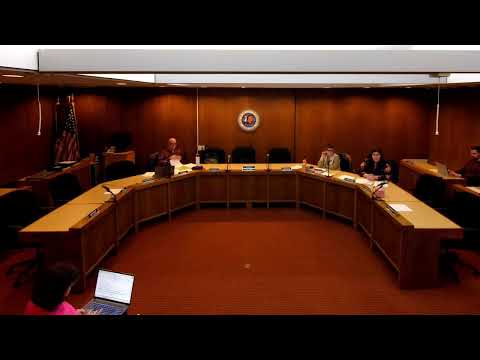
Council discusses formalizing public-comment rules and city communications policy
Summary
Council members reviewed sample public-comment and communications policies (from school district and other municipalities), discussed a 3-minute speaker limit, visual timers, follow-up procedures, and asked staff to draft concise language for review.
Council members discussed developing clearer rules for public comment and a broader communications policy after reviewing materials from a seminar and sample documents from other municipalities and a local school district. The samples discussed at the meeting include a school-district public-comment template (3-minute limit; name and address required; chair may terminate out-of-order remarks), a Decatur, Illinois communications policy that allocates initial time for public participation with an option to allow additional comments later, and a municipal matrix the council had previously received from consultants.
Council members and staff discussed several features they want to consider: a visible digital timer at the lectern, a concise printed rule on each agenda, a standard requirement for name and address, handling ward-level follow-up through the council member in that neighbor’s ward, and a process to notify petitioners about next steps after the meeting. One speaker suggested allowing an additional public-comment slot at the end of meetings when time permits; another suggested a fixed initial allotment (examples discussed included a 20-minute block at the start of the meeting and a 15-minute cap for subsequent additional comment periods).
No formal policy was adopted. One council member volunteered to draft concise language based on the materials and circulate it to the three named participants for edits; staff and council members agreed to continue the discussion and to return proposed language for further consideration at a subsequent meeting.
Why this matters: Clear, concise public-comment rules and a defined follow-up process could make meetings more predictable for residents and improve communication between petitioners and the city. The discussion focused on templates used by other jurisdictions rather than binding legal requirements.
Next steps: A council member will produce a draft and circulate it to the indicated reviewers; the council will revisit the draft at a future meeting — no vote was taken during this session.