Get Full Government Meeting Transcripts, Videos, & Alerts Forever!
Get email alerts on the Housing Communications topic
No spam. Unsubscribe anytime.
Residents urge Beacon to spend $75,000 on tenant outreach, not ‘welcome’ materials
Summary
Multiple Beacon residents asked the City Council to use $75,000 in this year’s studies-and-communications budget to mail information about the cityand state Good Cause Eviction laws, building-maintenance rules, and local affordable-housing resources to current residents rather than welcome packets for new arrivals.
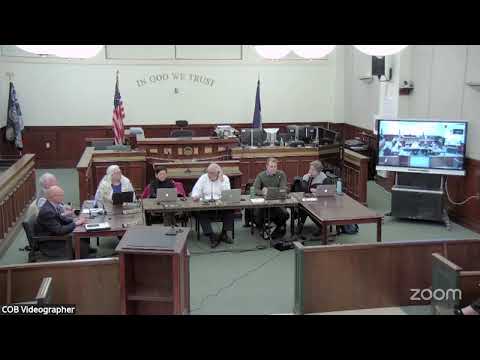
Dozens of Beacon residents used the public-comment portion of the April 1 Beacon City Council meeting to press the council to direct $75,000 in the current budget toward outreach that explains tenants’ rights, how to find affordable housing, and landlord responsibilities.
The appeals centered on Beaconand stateGood Cause Eviction protections and on the citycommunications funds. "Failing to let people know about a law passed means Beacon doesn't want people to know. I'm sorry. This is an insult," said Arthur Kamens, a member of Community Voices Heard and Beacon, criticizing what he described as the cityfailure to publicize the law.
Why it matters: Speakers said many residents — particularly renters, seniors and longtime households — still do not know what the local and state eviction rules mean for them and that mailers and website updates are the most reliable way to reach households that lack steady internet access. Several callers proposed a three-mailer series: one explaining Good Cause Eviction and tenant rights, a second on how to access affordable-housing programs, and a third on building maintenance and repair procedures for tenants and landlords.
Residents and advocates who spoke included Sheree Griffin (Beacon resident, Ward 1), Andrea Moed (Beacon resident, Ward 4, BCAN member), Anderson Goodson (Community Voices Heard volunteer and homeowner), Meg Lazarus (BCAN representative), Bill Irwin (organizer who canvassed renters), Jess Harmon (licensed social worker), Elise Loraco (Ward 2 resident), Katie Helmuth (Ward 1), John Gagan (BCAN), and Lisonbee Walker Gagan (renter, Ward 1). Many speakers said the city set aside $75,000 during budget discussions under the line "studies and communications" and that they understood the funds could be used for either mobility studies or housing communications.
Several speakers asked that the city not prioritize "Welcome to Beacon" packets aimed at new residents, saying those packets would largely reach newer, wealthier households who already have digital access. "We should not spend our limited communication catering to the wealthy newcomers to the city," Sheree Griffin said. Instead, she urged the council to "prioritize reaching people already in our community who may be struggling to stay here."
Speakers described specific outreach ideas: citywide mailers, updated website pages with clear housing resources and links to county services, and hiring or funding a housing coordinator. Bill Irwin urged a rental-property database and stronger enforcement information: "People need to be better informed about procedures to follow when landlords fail to perform repairs or maintain habitability."
City response and context: Mayor Lee Kiriakou and councilmembers acknowledged the concerns and described prior and ongoing steps. Kiriakou said Beacon had originally passed a local Good Cause Eviction law that was later found to exceed local authority; after the state law was enacted the city adopted a compliant local version. He noted Dutchess County operates a housing hotline and that county staff had presented resources to the council recently; the city is working to add links to county housing pages on the municipal website. The council also pointed to an ADU (accessory dwelling unit) program on the city website offering up to $125,000 per household as one avenue being promoted to increase housing supply.
What was not decided: The council did not take a formal vote at this meeting to reallocate or earmark the $75,000; speakers requested that the council use the funds for mailers and website updates, but no formal motion on that specific allocation appeared on the agenda or was voted on at the April 1 meeting.
Ending: Several speakers warned that without clear outreach, residents will remain unaware of legal protections and local programs. Councilmembers said they intend to continue the communications discussion at an upcoming workshop and to examine low-cost and no-cost options for better web navigation and targeted outreach to vulnerable residents.