Get Full Government Meeting Transcripts, Videos, & Alerts Forever!
Get email alerts on the Sewage Overflows topic
No spam. Unsubscribe anytime.
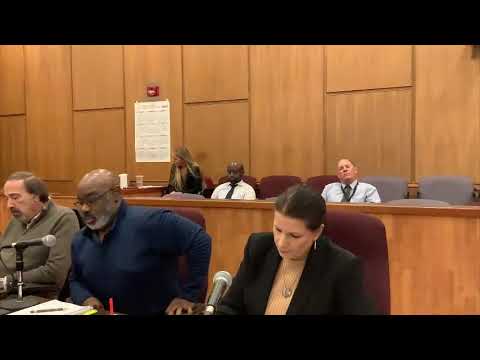
Residents, Seneca Nation press Olean council for immediate action on repeated sewage discharges
Summary
Dozens of residents and Seneca Nation representatives urged the City of Olean Common Council to move from study to action on long-running sewage overflows, citing public‑health and downstream impacts and urging transparency, funding and immediate repairs.
Dozens of residents and representatives of the Seneca Nation urged the City of Olean Common Council on April 8 to act immediately to stop repeated sewage discharges into the Allegheny River and its tributaries, pressing for clearer timelines, funding and faster repairs.
The speakers’ concerns centered on repeated overflows from Olean’s combined sewer system during heavy rains, which residents and downstream communities — including people in Pennsylvania and members of the Seneca Nation — said pose environmental and public‑health risks. Several commenters said the council’s public‑comment process and response to a recent arrest at a meeting worsened tensions and undermined trust.
The hearing included a statement from Bridget Marshall, the city attorney, who told the meeting: “the city's policy is that they like and welcome the public to speak, but they would like you to follow the rules,” and asked speakers to give their name and address and avoid profanity. Seneca Nation Councilor Clint Nephew said the nation plans to send a letter and pursue consultation on water issues and urged action rather than “fluff.” “They want action. It's what it is,” Nephew said.
Residents gave detailed accounts of sewage encounters, described long-standing studies and expenditures, and questioned why repairs appear delayed. Emily Mellinger, a student from the University of Pittsburgh at Bradford, told council members the problem affects communities downstream and said, “we cannot keep delaying action.” Several speakers referenced state Department of Environmental Conservation records and a DEC administrative order of consent that the transcript says currently gives Olean until 2042 to address the problem; callers urged the city to seek modification of that order and to pursue grants, loans or borrowing to speed repairs.
Speakers repeatedly asked for transparency about steps being taken: which basins and lift stations are feeding overflows, the timeline for hiring and work by consultants, what grants or funding streams are being pursued, and when a public status page on the city website would list updates. Lehi Wall of Little Valley noted the city posted a 2016 wastewater master plan but not recent progress details such as consultant hires or lift‑station evaluations. Several speakers urged the council to publish specific milestones and funding plans on the city website.
Multiple residents also criticized how the council handled public comment at a prior meeting, including the treatment of a speaker identified in video as “Carlos.” Elaine DeGiglio called that prior arrest “shameful” and said the charges were later dropped; others described the police response as heavy‑handed and urged greater cultural sensitivity and de‑escalation training for staff and officers.
Speakers asked the council to accept outside help, including offers from the Seneca Nation, and proposed short‑term fixes and funding paths: apply for state or federal grants, borrow with grant‑reimbursement covenants, and prioritize fixes to the lift stations and separations of stormwater from sewer lines. Barbara Diskant and others appealed to the council to treat the river as an economic as well as environmental asset, noting tourism, fishing and downstream communities are harmed while payments to remain compliant with DEC continue.
The comments followed formal agenda items on water‑rate changes and other city business. Council members responded during and after public comments that they are working with the Seneca Nation and DEC and that a consultant has been engaged or will be engaged, but commenters repeatedly pressed for specific timelines and public reporting.
The session closed with repeated offers from residents to help with outreach and grant writing; several urged the council to publish a clear, dated plan of next steps and to accelerate repairs rather than relying on additional studies.
Ending: Council staff and council members said they would continue work with state and tribal partners and that the city would post updates; the transcript records multiple requests from residents for immediate, detailed public timelines and for the city to accept outside assistance.