Get email alerts on the Personnel Policy topic
No spam. Unsubscribe anytime.
Commissioners debate travel policy changes, P‑card use and reimbursement limits
Summary
Lee County commissioners and staff discussed proposed travel policy updates, including delegated approval thresholds, use of P‑cards versus travel cards, meal caps and payroll recovery for overages; commissioners agreed to further edits and to consult elected officials before finalizing the policy.
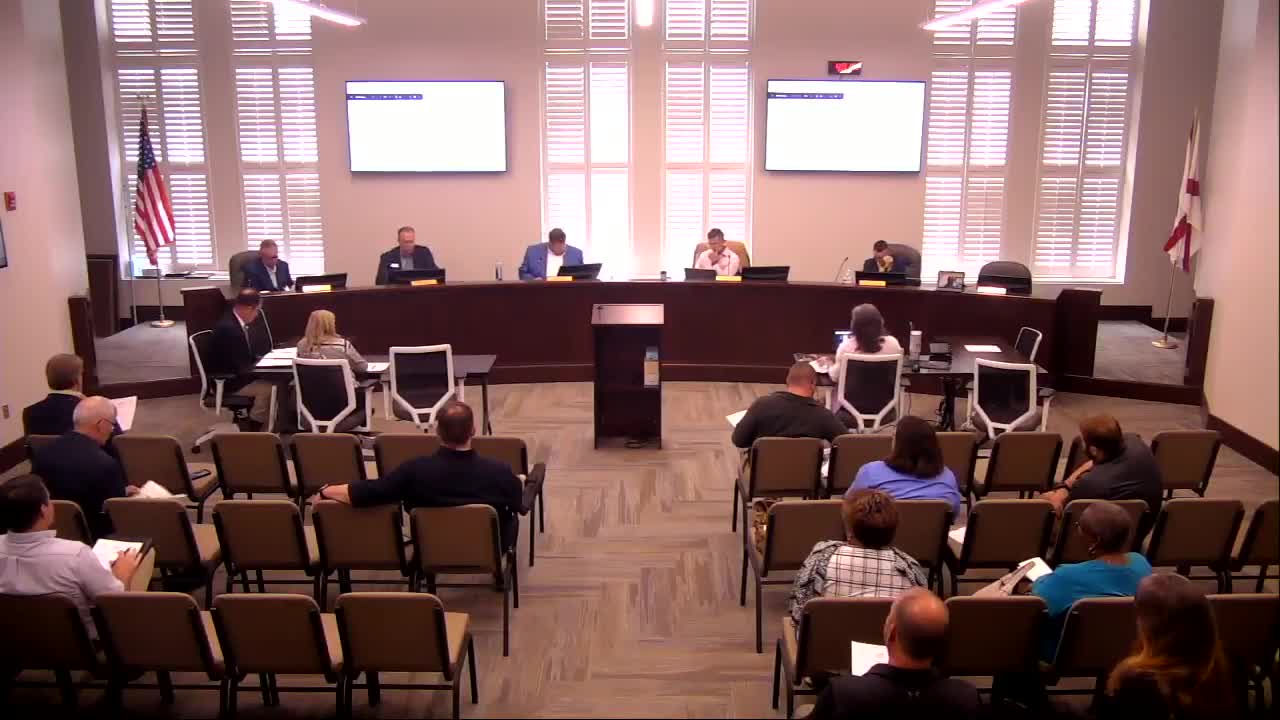
Lee County commissioners and staff spent an extended portion of the work session discussing revisions to the county’s travel and P‑card policy, focusing on approval thresholds, department travel cards, meal caps and the process for recovering overspent amounts.
Staff said a revised travel policy would allow appointed authorities to approve lower‑cost training and day travel without full commission action, while higher‑cost travel would be routed to the commission chair for approval. Commissioners and staff discussed separating registration fees from travel line items so online training registrations are not conflated with travel expenses.
Commissioners and department managers debated continuing to allow department P‑cards to pay travel expenses or to rely instead on centralized travel cards. Several commissioners and staff opposed broad P‑card use for travel, arguing it creates unequal access because not all employees have P‑cards and that employees might be more frugal using personal cards if they know reimbursement limits. One commissioner stated they were “just against the P cards.” Staff explained that the county maintains departmental travel cards in some offices and that supervisors review reimbursement forms before submission.
Staff noted the policy contains caps on meal reimbursements (the commission previously set a daily cap at $85 per day; an internal limit of $40 per meal was discussed in department conversations) and that the travel policy includes language allowing the county to recover overages from employee pay if employees consent in writing. A staff member explained supervisors review reimbursement paperwork and deny reimbursement requests that exceed established limits.
Commissioners agreed to continue editing the travel policy and to involve affected elected officials in the final drafting. One item of consensus was to table final adoption to allow Aileen (a referenced elected official) and Judge Colley to provide input; staff will produce a redlined version showing proposed changes so commissioners can review edits before final consideration.
No formal vote was taken during the work session; staff and commissioners instructed that the policy be revised, circulated in redline form, and reviewed with elected officials and department heads before a future vote.
AI generated
The text on this page is AI generated. Summaries, highlights, analysis, and video transcripts are all produced from the original source material.
AI can make mistakes, so if you spot one, and we will fix it for everyone.
Note: the source content is unaltered by us. Any content source we link to, be it a video, an audio recording, or a document, is presented exactly as its publisher released it. That publisher is usually a government body, sometimes an individual official or another organisation.