Get Full Government Meeting Transcripts, Videos, & Alerts Forever!
Get email alerts on the Transportation Funding Impact Fees topic
No spam. Unsubscribe anytime.
Frederick County directs staff to draft road-impact fee ordinance after debate over cash proffers
Summary
After a months-long study, the Board of Supervisors directed staff to draft a road-impact fee ordinance applying to residential and nonresidential development and also discussed a voluntary cash-proffer alternative; the board voted to move forward with drafting an impact-fee ordinance framework for further board review and public hearings.
The Frederick County Board of Supervisors voted on May 14 to direct staff to draft an ordinance and program framework for a road-impact fee — a mandatory, schedule-based assessment on new development — after hearing consultant analysis of a parallel option: transportation cash proffers.
Consultants from Tishler Bice presented a study comparing a mandatory road-impact fee under the Virginia statute cited in the presentation ("Virginia 15.2-2328," as read during the meeting) with the county’s existing voluntary cash-proffer process. “Cash proffers are voluntary while impact fees would be mandatory,” the consultant said during the presentation, describing the primary statutory difference and implementation trade-offs.
Tishler Bice told the board the two approaches produce the same per-unit fair-share numbers but differ in application and administration: cash proffers apply only to rezonings (and are negotiated) while an impact-fee schedule would apply to all new development including by-right projects and to residential and nonresidential land uses. The consultant presented example per-unit values from the study (single-family detached: $3,655 per unit; retail: $5,906 per 1,000 sq. ft.; industrial: $11.49 per 1,000 sq. ft.) and explained credits would be allowed where developers provide the same system-level improvements.
Board members and the Development Impact Model Oversight Committee (DMOC) had previously discussed competitiveness concerns: one committee recommended against pursuing an impact-fee program at this time because of potential effects on economic development, and recommended implementing a system-level cash-proffer schedule instead. Several supervisors raised that concern during the board discussion, noting Stafford County is the only Virginia county identified in the presentation as having implemented the state’s road-impact-fee authority.
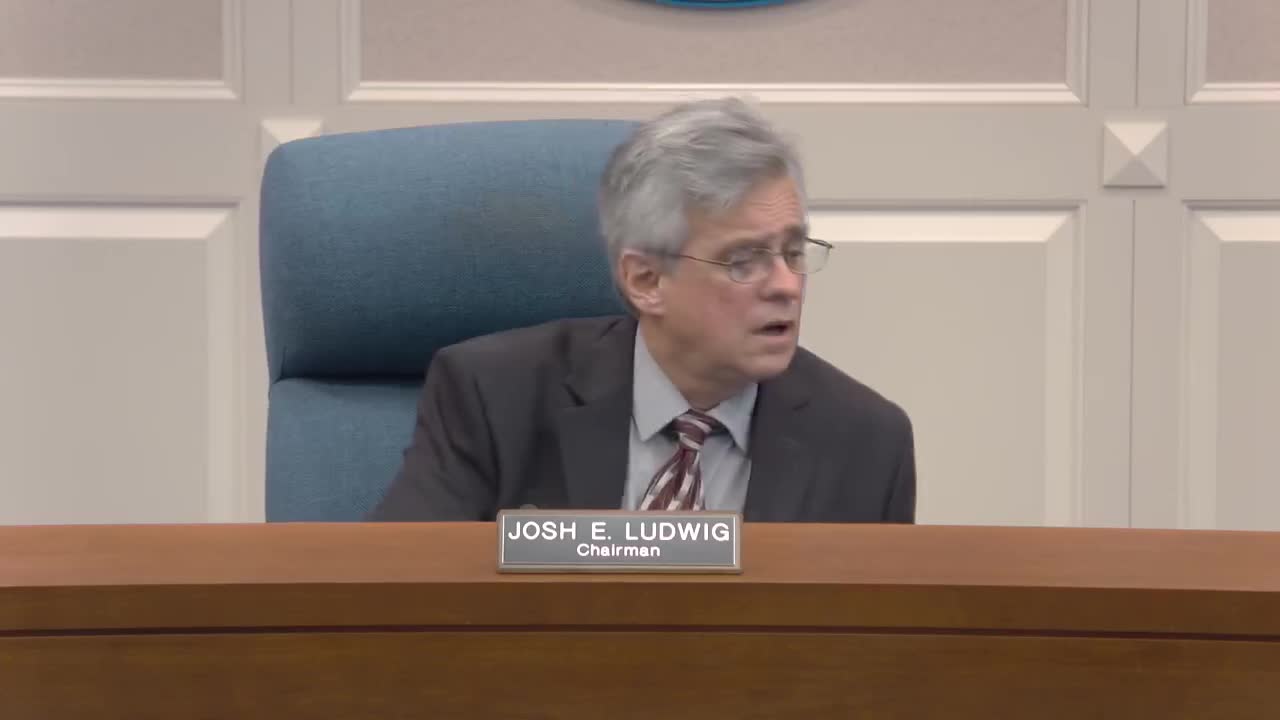
Following debate, the board first considered a motion to adopt the off-site cash-proffer approach recommended by DMOC; that motion failed on a roll-call vote. The board then voted to direct staff to draft a road-impact fee ordinance and program framework for future adoption. The roll-call vote on directing staff to draft the impact-fee ordinance resulted in four ayes and two nos (Supervisor Wells, Supervisor Lockridge, Supervisor Leero and the Chair voted aye; Supervisor Jewell and the Vice Chair voted no; Supervisor Dunn was absent); the motion carried.
Staff and the consultant said drafting a legally compliant impact-fee ordinance would take additional time because Virginia’s code imposes specific procedural and renewal requirements, while a cash-proffer schedule could be implemented immediately using the county’s existing proffer machinery. County staff said they could pursue both tracks concurrently if the board directed them to do so.
Next steps: staff will prepare a draft impact-fee ordinance and program framework for further board review and public hearings; if the board later chooses to adopt cash proffers instead, the county already has a working proffer model that can be updated immediately.