Get Full Government Meeting Transcripts, Videos, & Alerts Forever!
Get email alerts on the Building Codes topic
No spam. Unsubscribe anytime.
Climate Smart Commission narrows 2025 priorities to building codes: solar, EV readiness, battery storage
Summary
The City of Kingston Climate Smart Commission agreed to prioritize three items—solar-readiness requirements for new construction, electric-vehicle (EV) readiness, and municipal battery storage—and formed a volunteer subcommittee to review local zoning and building code language and propose text for the city—s upcoming comprehensive-plan update.
The City of Kingston Climate Smart Commission on April 23 agreed to prioritize three policy tracks for 2025: solar-readiness requirements for new construction, EV readiness, and battery energy storage, and to form a subcommittee to review local zoning and building codes and propose implementation steps.
Commissioners described the work as a code-review and research project rather than immediate regulation. Members said the goal is to identify what Kingston already has in place, what is missing, and what language other municipalities use, and then propose specific wording or incentive options for the city—s updated comprehensive plan and the building/zoning code.
Commissioners and staff repeatedly noted existing state resources and programs to consult, including NYSERDA and the New York stretch code Kingston has adopted; they discussed whether the stretch code already covers part of the desired changes and said the next step is a detailed comparison. Commissioners also flagged that Climate Smart Communities points and related state grant opportunities could follow from completed code updates.
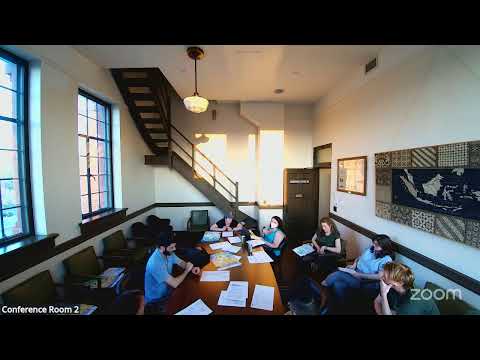
The commission agreed not to attempt all items at once. Instead, members formed a working group to take the first pass on code review and to return to the full commission with a short slide or electronic brief that lists current Kingston code language, gaps, and model examples from other municipalities. Volunteers for that working group were recorded as: Cal Truman, Jake Strauss, Phil (staff), Kat (last name not specified in transcript), Haya (last name not specified), and Emily Chesson.
Next steps assigned to the subcommittee include: pull the relevant sections of Kingston—s zoning and building code and the stretch code; identify examples of model ordinance language for solar-readiness, EV-ready parking/electrical provisions, and municipal battery standards; and draft recommended language and a short implementation timeline for the commission to review at a future meeting.
The commission said the research will feed the city—s comprehensive-plan update (anticipated in 2025–26) and inform future grant and Climate Smart Communities submissions. Members asked staff to circulate the draft code excerpts and an initial comparison before the next meeting so volunteers can begin drafting proposed text.
The group planned to reconvene the full commission with materials (slide deck or equivalent) that make it easy for members to pick discrete tasks rather than ask everyone to tackle the whole package at once.