Get Full Government Meeting Transcripts, Videos, & Alerts Forever!
Get email alerts on the Transportation Demand Management topic
No spam. Unsubscribe anytime.
Fairfax transportation staff propose modest increase to TDM trip‑reduction targets after decade of overperformance
Summary
Fairfax County transportation staff on Thursday proposed modest increases to the county’s Transportation Demand Management targets, saying developments with proffered TDM programs have on average cut peak‑hour vehicle trips by about 61 percent since the guidelines were adopted in 2013.
Fairfax County transportation staff on Thursday proposed modest increases to the county’s Transportation Demand Management targets, saying developments with proffered TDM programs have consistently exceeded the goals set under guidelines adopted in 2013.
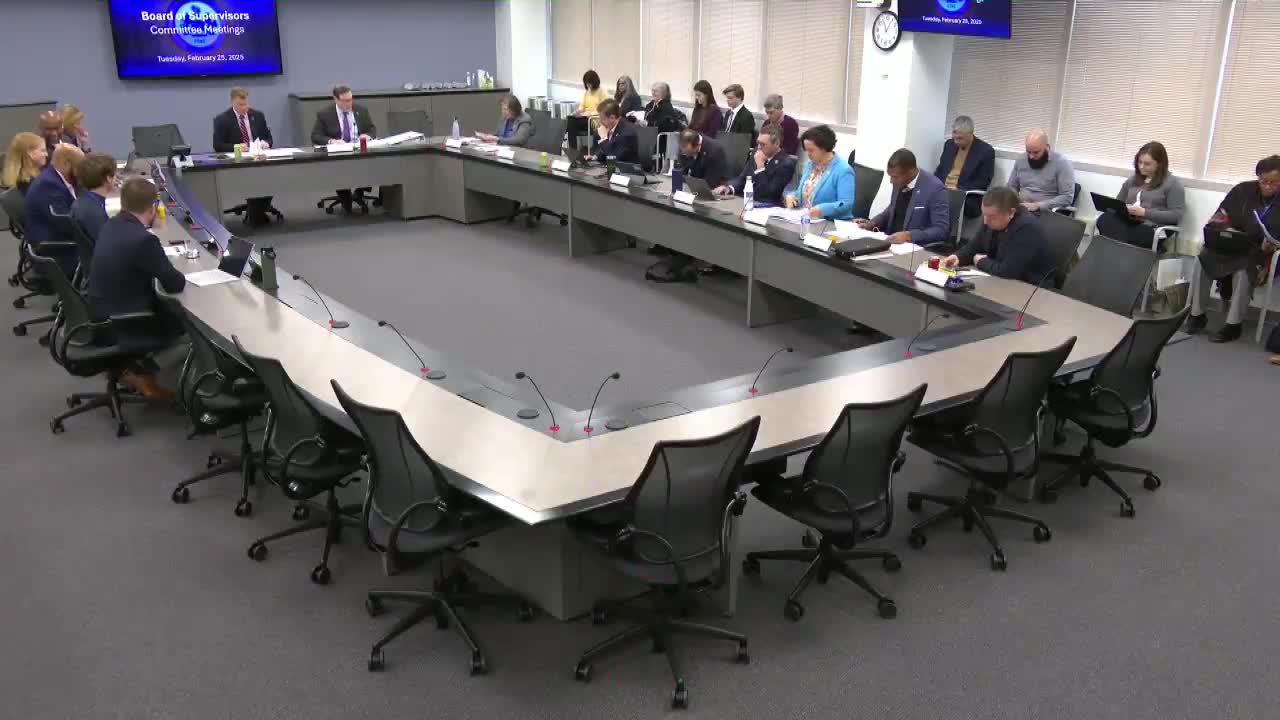
Sam Chansman, Crawford Transportation Demand Management coordinator for the Fairfax County Department of Transportation, told the Transportation Committee that the county’s proffered TDM programs reported an average trip reduction of 61 percent as of 2023 and that reporting sites on average exceeded their pledged goals by about 29 percent. “TDM is all about reducing congestion on our roads,” Chansman said, describing strategies that include transit subsidies, carpool programs, telework support and active‑transportation improvements.
The proposal would increase baseline reduction ranges by roughly 5 percent countywide and by about 10 percent for developments in Tysons. Staff described several accompanying technical changes: allowing the existing Tysons remedy‑fund release mechanism (which permits developments that exceed goals to reclaim funds) to be used more broadly, streamlining separate TDM funding and operating accounts into a single account with required line‑item reporting, merging the TDM plan and work plan into a single submission, adding a building‑by‑building option for multi‑building developments, and updating sample proffers and resource links.
Why it matters: the county uses proffered TDM commitments in entitlement reviews and traffic studies. Raising the targets affects future rezoning and transportation analyses, the content of proffers, and monitoring and enforcement expectations. Chansman said monitoring occurs by traffic counts and user surveys and that the county has relied on an engineering estimate of projected peak‑hour trips (from the International Transportation Engineers Handbook) to set reduction goals at entitlement.
Committee members pressed staff on enforcement and equity implications. Supervisor Alcorn asked whether the proposed increases risk triggering penalties for developments that fall just short of the higher targets and whether telework‑era declines in commuting might be inflating the observed gains. Chansman replied that the county has a layered fallback: developments establish a remedy fund and the county can draw on cash escrow or a letter of credit only if other remedies fail; he also said the single recorded shortfall was due to a late program start and that the site met goals thereafter. Staff agreed to run an overlay comparing the proposed targets to existing reported performance and to flag any “close calls,” including whether they fall in Tysons or elsewhere.
Other committee members recommended broader outreach before finalizing changes. Supervisors asked staff to engage property managers and condominium associations that will bear program costs, management and leasing groups, the Tysons Community Alliance, the Transportation Advisory Commission and citizen committees such as trails or land‑use committees. Staff said they will provide a breakdown of individual site performance (not just the average) and examine costs per unit so supervisors can assess impacts on housing affordability and on residential budgets.
Chansman and staff noted data limits: the county’s 2024 annual reporting was still in process and the 2013 guidelines have only limited prior monitoring for proffers executed before the guideline’s adoption. Staff requested guidance on outreach targets and whether supervisors wanted staff to explore additional changes, such as expanding Transit‑Oriented Development reduction areas.
Next steps: staff will run the requested overlay of proposed rates against existing 2013–2023 reported results, return with site‑level results and outreach plans, and incorporate committee feedback about stakeholder engagement and potential pedestrian/active‑transportation elements that could support TDM performance.
There was no formal vote on the proposal during the meeting.