Get Full Government Meeting Transcripts, Videos, & Alerts Forever!
Get email alerts on the Student Rentals topic
No spam. Unsubscribe anytime.
University Park directs 'low‑tolerance' enforcement on student rentals, approves move to carve out Milton parking district
Summary
City council directed staff April 15 to begin immediate low‑tolerance enforcement of occupancy and nuisance rules in neighborhoods near SMU, to notify SMU of citations, and to pursue creation of a resident‑only parking district for the 3000–3300 blocks of Milton Avenue; staff will also study zoning changes and return to council with updates.
University Park City Council on April 15 directed staff to begin immediate “low‑tolerance” enforcement of occupancy and nuisance rules in neighborhoods adjacent to Southern Methodist University and to move forward with creating a resident‑only parking district for the 3000–3300 blocks of Milton Avenue.
City staff presented a stepped enforcement plan after meetings with residents and SMU Police Department staff. Patrick Ball, director of community development, said the immediate measures will target parking violations, offensive noise and odors, trash, and general site‑maintenance issues and will “use the minimum required notice under state law” with no extensions. Police Chief Bill Mathis said officers will ask for state‑issued identification when necessary and issue citations on scene.
Staff told council that two high‑enforcement areas have been identified: the Rosedale area north of SMU and the Planned Development District 6 area along Asbury. Ball said citations and notices issued in those areas will be shared with SMU Police and SMU Student Affairs so the university can consider disciplinary action under its honor code when violations recur. Robbie Quarter, city manager, said notices about a proposed Milton resident parking district could be distributed within one to two weeks and an ordinance returned to council as early as the first meeting in May.
Residents who testified urged stronger enforcement and changes to the city code. Leslie Agaritis (3201 Milton Avenue) said the existing ordinance is out of date and “has no teeth,” adding, “We have students that don't care about or respect that they're living in a residential neighborhood.” Nasi Agaritis described repeated overcrowding, parking spillover and an incident in which a vehicle damaged a fence; he said civil penalties would “untie the hands of the city” by reducing the burden of proof needed to act. Steve Gwynn, who owns rental property on Asbury, urged the council to pursue civil fines targeted at property owners rather than treating students as the primary enforcement lever.
Council members signaled agreement with staff’s phased approach. The council instructed staff to: (1) begin low‑tolerance enforcement immediately using existing ordinances and modified notice procedures; (2) notify the neighborhood and return with an ordinance to create the Milton resident parking district (3,000–3,300 blocks) for council action in May; (3) study zoning amendments to regulate bedroom‑to‑parking ratios in PD‑6 and duplex zones; and (4) monitor results and bring back recommendations on rental registration or civil penalties if the initial measures prove ineffective.
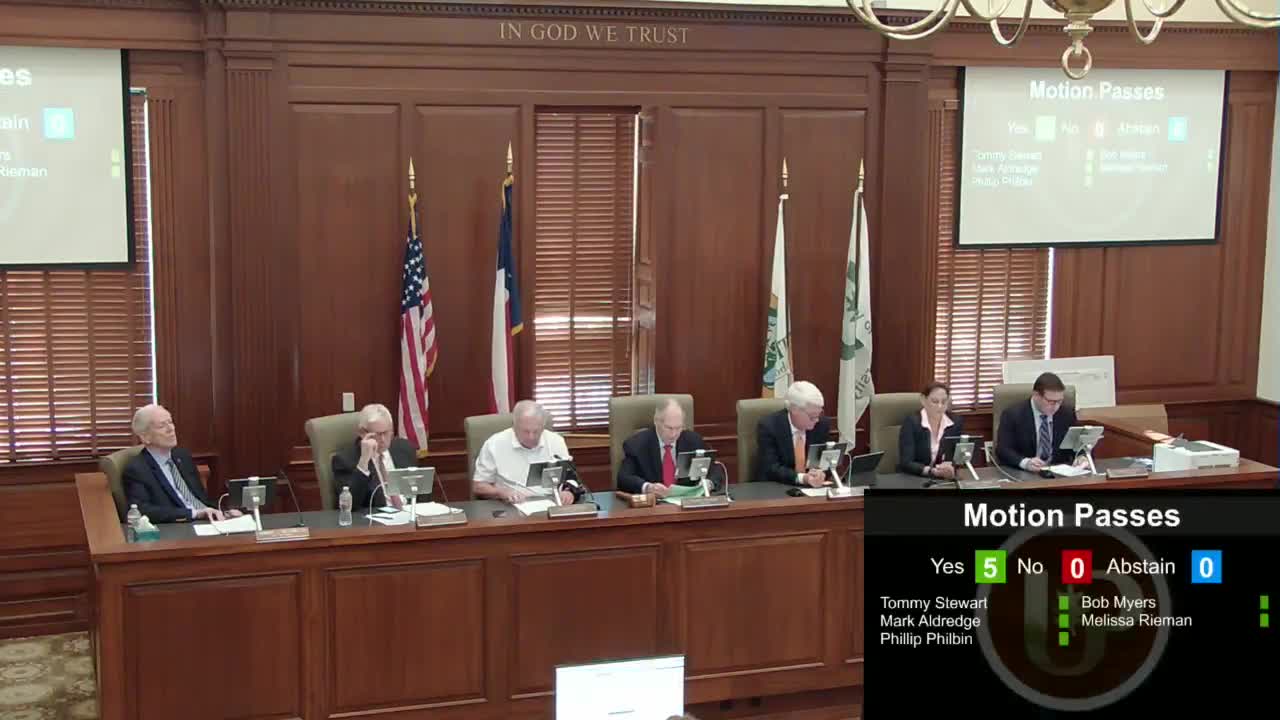
The direction was unanimous among members present. Staff emphasized the measures are administrative and regulatory steps, not ordinance adoptions tonight. The city will report progress back to council at a future meeting and keep residents informed of enforcement actions.