Get Full Government Meeting Transcripts, Videos, & Alerts Forever!
Get email alerts on the Wastewater Treatment topic
No spam. Unsubscribe anytime.
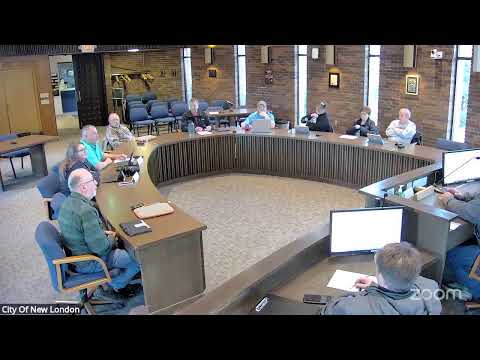
Board of Public Works hears wastewater upgrade needs after rising phosphorus, sludge costs
Summary
City public works staff told the Board of Public Works that increasing orthophosphate levels in the water supply and higher sludge-disposal costs mean the wastewater plant must change treatment methods and consider a sludge dryer; a plant tour and possible grant funding were discussed.
The Board of Public Works on April 7 heard that the city’s wastewater plant will need a system upgrade to meet future phosphorus limits and reduce growing sludge-disposal costs.
Ben, a public works wastewater operator, told the board that “we are starting to see 0.8 milligrams per liter of phosphorus coming to the facility just through the polyphosphates that the water department's adding,” and that under the current system “we will never meet that number unless our flows go below 300,000 a day,” a level he said is unlikely. He recommended biological phosphorus removal as the best option.
The discussion matters because state permit levels anticipated in 2029 will require lower phosphorus discharges. Staff said Donahue (consultant) is preparing plans to satisfy a Department of Natural Resources (DNR) requirement due in June, and staff requested a plant tour so board members can “walk up to the tanks” and see recommended changes.
Board members pressed on timing and interdependencies. Staff noted the city’s addition of orthophosphate to the drinking-water system makes phosphorus removal at the wastewater plant harder and that removing orthophosphate at the source is unlikely in the near term because household plumbing issues can require continued corrosion control in water supplies.
Sludge disposal is a related operational pressure. Staff said the plant currently pays $0.05 per gallon to haul sludge; the contract rate rises to $0.055 next year and the vendor market is thin. The plant spent about $213,000 last year on sludge disposal and is exploring options that would reduce sludge volume. Ben said switching to a biological removal process would generate far less sludge and that a drying system could convert sludge to a Class A product similar to commercial biosolids, removing many disposal restrictions and allowing reuse or sale.
Staff reported informal talks with nearby municipalities and companies (AMRO, Tyson and others) about accepting sludge or sharing a drying facility to make a larger, more economical operation. No cost estimate or formal procurement schedule for a dryer was presented; staff said the idea is in early stages.
No formal motion or vote was taken. Staff said they will deliver the DNR plan this spring, arrange a plant tour and return with cost and funding details; they flagged the possibility of government funding to offset part of an upgrade because the city was required by DNR to add orthophosphate to its water.
Board discussion also covered river-driven inflow and infiltration: staff said recent high river levels increased flows (they reported current daily flows around 2.2–2.5 million gallons) and brought sand and gravel into the facility, complicating operations and increasing maintenance.
The board requested follow-up information on the consultant plans, expected costs, sludge-drying options and potential grant funding at a future meeting.