Get Full Government Meeting Transcripts, Videos, & Alerts Forever!
Get email alerts on the Employee Benefits Healthcare topic
No spam. Unsubscribe anytime.
Marlborough committee backs $4.19 million transfer after comptroller finds health trust shortfall
Summary
City comptroller reported a multi-year undercount in the health insurance trust and recommended a $4,187,233 transfer from free cash; the finance committee approved the transfer and asked the administration for written procedures to prevent recurrence.
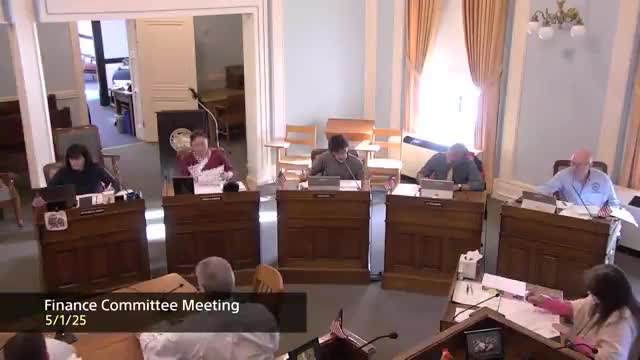
The Marlborough City Finance Committee on May 1 voted to transfer $4,187,233 from free cash to the city’s health care trust fund to cover a projected deficit identified by the newly hired comptroller.
Comptroller Brian Doheny said the city’s self-insured health plan suffered elevated claims beginning in late FY23 and carried through FY24. “So how the health trust fund works … We’re self insured, so we cover ourselves,” Doheny said. He told the committee the trust lost about $1.8 million in FY24 and that claims in successive quarters were substantially higher than prior-year periods — a roughly $2.7 million increase across two quarters he reviewed — leaving the trust underfunded for expected liabilities including incurred-but-not-reported (IBNR) claims and several months of claims and administrative costs.
Doheny recommended the $4,187,233 transfer so the trust would reach a safer balance; he described components that should be in trust reserves going forward: roughly $2.5–3.0 million for IBNR, about $3.0 million to cover three months of payments, and approximately $1.0 million to cover administrative fees. He said those items imply a target trust balance in the neighborhood of $9 million.
Mayor J. Christian Dumas told the committee he and other officials would not “play the blame game,” and praised Doheny for identifying the shortfall within a month of his arrival. Several councilors pressed administration officials on why the shortfall developed and requested written standard operating procedures and clearer oversight from the independent advisory council that helps oversee the trust. Councilor Bridal and others said the city needs succession planning and better checks and balances so future administrations do not repeat the error.
Committee members noted the transfer will use a large portion of free cash — the comptroller reported free cash of about $13.1 million before transfers — and that other items already in front of the council will reduce that balance further. Councilors nevertheless approved the transfer and included a suspension to expedite processing; the committee chair recorded the committee vote as 4–0 in favor.
Doheny also said the administration will put the plan for the health trust out to bid for administrator and insurance contracts when current contracts expire in June 2026, and that he expects to review premium structure and vendor discounts to control costs. He said premiums for employees are expected to rise 25% in the coming plan year and that the administration will consider alternative structures, though he did not recommend a specific contract at the meeting.
Councilors asked the mayor to provide a written plan (standard operating procedures) describing oversight, the role and membership of the independent advisory council, timelines for contractual procurements, and measures to prevent similar shortfalls; the mayor agreed to pursue written recommendations with comptroller involvement.
The approved transfer will be processed by the finance department and reported to the full council in upcoming budget transfers and reconciliation documents.