Get Full Government Meeting Transcripts, Videos, & Alerts Forever!
Get email alerts on the Cdbg topic
No spam. Unsubscribe anytime.
Medford committee reviews FY2026 CDBG action plan, refers plan to full council after grantee presentations
Summary
The Medford City Council Committee of the Whole reviewed the draft Community Development Block Grant (CDBG) annual action plan for program year July 1, 2025, through July 30, 2026, and voted April 16 to refer the plan to the full City Council for final approval after presentations from proposed grantees.
The Medford City Council Committee of the Whole reviewed the draft Community Development Block Grant (CDBG) annual action plan for program year July 1, 2025, through July 30, 2026, and voted April 16 to refer the plan to the full City Council for final approval after presentations from proposed grantees.
The action plan sets proposed uses for federal CDBG funds Medford receives directly from the U.S. Department of Housing and Urban Development and frames how the city will allocate money for public services, administration and projects. City CDBG manager Laurel Siegel told the committee the plan and two related documents — a five‑year consolidated plan and an updated citizen participation plan — will be on the city website for public comment through May 12 and are scheduled for submission to HUD by May 15, pending the federal funding notice.
Laurel Siegel, CDBG manager for the City of Medford, said the figures in the draft are estimates because HUD had not yet announced the entitlement amount for fiscal year 2026. "All the figures that you see in these plans are based on an estimate based on our current year's funding," Siegel said, noting the draft used an estimate based on the current year (about $1,384,000). She said the plan includes mechanisms to adjust allocations if HUD announces a different award.
Siegel summarized how the city may use CDBG funds: up to 20% may cover administrative costs (including CDBG staffing), up to 20% may fund public‑service grants, and the remainder typically supports projects such as infrastructure and housing rehabilitation. She described ongoing and proposed projects in the draft plan, including a housing rehabilitation loan pilot that offers up to $25,000 per home for repairs to allow low‑ and moderate‑income residents to remain in place, a vacant‑storefront grant and a Medford Square micro‑enterprise incubator pop‑up and technical assistance program. Siegel also said infrastructure funding will prioritize ADA sidewalk and curb improvements.
Representatives from each recommended public‑service grantee gave brief overviews and answered council questions. Highlights from the presentations:
- Action for Boston Community Development (ABCD): Joshua White, director of housing and homelessness prevention, described rental assistance and housing counseling services, including newly added financial‑literacy workshops aimed at helping program participants avoid repeated rental crises. The application requested $42,497 (prior year $40,000); the planning staff recommended $35,000 for program year 2025 in the draft table provided to councilors.
- Housing Families (legal aid and homelessness prevention): Jana Stafford said the program expects to serve 175 Medford residents in the coming year and noted the program served 207 Medford residents in the last full year (exceeding its goal). The group requested $22,800; the recommended amount is $19,000.
- Medford Council on Aging: Pamela Kelly described four uses of funding at the senior center — social worker hours, a home maintenance program for safety tasks, a Mystic Valley Elder Services Title III match and recreational transportation for day trips. The request was $29,717.50; the recommended amount is $24,000.
- Medford Public Schools after‑school tuition assistance: Megan Fiddler Carey said the funds support tuition assistance for after‑school care at all elementary schools and help families afford child care needed for work. The district requested $10,000; the recommended amount is $8,303.
- Mystic Valley Elder Services: Carla Maduta and Brian Berg described plans to purchase shelf‑stable emergency meals for 405 Medford consumers and community partners; they said their nutrition program faces a budget shortfall and said shelf‑stable meals were critical during emergencies such as COVID. The organization requested $10,968; the recommended amount is $9,000.
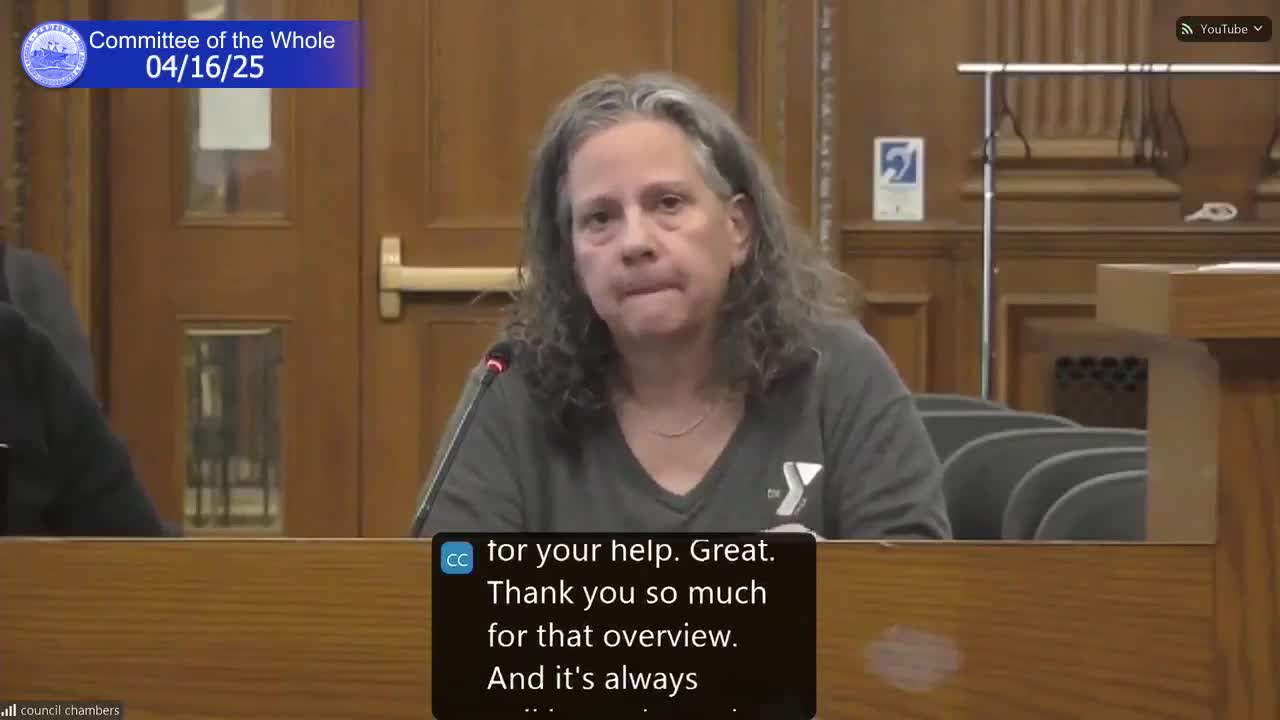
- Mystic Valley YMCA (Mystic Community Market): Debbie Amaral said the market and several food programs serve Medford residents and cited an estimate that a Greater Boston Food Bank analysis shows a large shortfall in local food needs. The Y requested $12,000 and the recommended amount is $10,000.
- SCM Community Transportation (Door to Door): John Keegan said the nonprofit provides medical and shopping transportation for seniors and people with disabilities and projected about 8,000 rides in the coming year. SCM requested $94,500; the recommended amount is $75,000.
- The Welcome Project: Sarah Kirubi described an English for Parents program that began in Medford in spring 2023 and focused on helping immigrant parents navigate the school system. The Welcome Project requested $19,500; the recommended amount is $7,000.
- West Medford Community Center: Terry E. Cotter described elder services that include a three‑day‑a‑week program with lunch, wellness checks and referrals. The center requested $21,000; the recommended amount is $12,000.
Manager Siegel told the committee recommended amounts in the draft are generally lower than last year’s awards for two reasons: the city exhausted a supplemental CDBG allocation that had been available during and after the coronavirus emergency, and staff recommended spreading limited funds to allow every qualified applicant to receive some support. "We no longer have any of those [COVID] funds available," Siegel said.
Councilors thanked the applicants and the planning staff. Councilor Singh said the presentations illustrated "government at our best" by bringing services directly to residents and thanked the CDBG staff for trying to stretch limited funds across multiple worthy programs.
After the presentations, the committee voted to refer the three draft plans (the five‑year consolidated plan, the annual action plan and the citizen participation plan) out of committee to the full City Council for a public hearing and final vote. Councillor Singh moved to refer the paper; Councillor Lemming seconded. The committee chair called for the question and the motion passed.
Next steps: the plans will be available for public comment on the city’s CDBG webpage through May 12; the Committee of the Whole scheduled the required public hearing at the April 29 City Council meeting, after which councilors will consider a final vote and, if approved, staff will submit the plans to HUD. Siegel said HUD generally notifies entitlement communities of award amounts by May 15, and the city will adjust allocations if the actual entitlement differs from the estimate in the draft plan.