Get Full Government Meeting Transcripts, Videos, & Alerts Forever!
Get email alerts on the Tobacco Licensing topic
No spam. Unsubscribe anytime.
Lynn Board of Health delays vote on retiring dormant tobacco licenses amid concerns about temporary closures
Summary
The Lynn City Board of Health discussed a proposal to retire unused tobacco licenses to reduce the city cap of 135 but voted to table the item until all members are present; board members raised concerns about temporary closures, transfers and notice requirements.
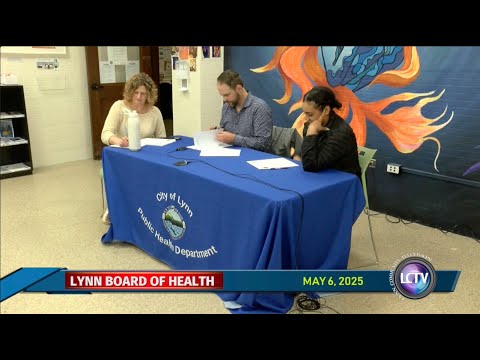
The Lynn City Board of Health discussed a proposal May 6 to allow some tobacco retail licenses to be permanently retired when a business closes, but members voted to table the issue until a later meeting.
The discussion matters because the city currently caps tobacco retail licenses at 135; under the model presented, the cap could fall over time if licenses tied to closed retail locations were retired rather than reissued. A board member said the draft had been modeled on a Danvers policy and would cause licenses to be “permanently retired” when a retail business closes or a storefront ceases operation.
Board members said they support preventing loopholes but pressed staff on protections for short, temporary closures. One member said the city should avoid clawing back a license if an owner temporarily closes for a medical emergency or a family vacation. A presenter noted the Danvers model includes a 60-day transfer period for a sale, and the group discussed whether the city should require notice for closures that exceed a fixed number of days. As one member put it, “failure to notify the board of a closure that's going to be longer than 30 days may result in your license being … revoked.”
Members also contrasted tobacco licensing with alcohol licensing, where the alcohol licensing body has discretion to consider case-by-case requests to preserve a license during temporary closures. The board discussed options including a requirement that licensees notify the board if they plan to be closed beyond a defined window, allowing license renewal while closed if an owner is actively seeking a buyer, or automatically retiring a license if it is not transferred within a fixed period.
The board did not adopt a policy at the meeting. A motion to table the item to the next meeting was made and seconded; the chair called for the item to return on a later agenda when all members — including one who was absent — could participate.
Next steps noted by members include drafting a written proposal that defines time limits for temporary closures, transfer windows, notification requirements and any exceptions (for example, documented renovations or active sale efforts) before the board takes a formal vote.