Get Full Government Meeting Transcripts, Videos, & Alerts Forever!
Get email alerts on the Water Management Drought topic
No spam. Unsubscribe anytime.
Commission staff: Lynn remains subject to state drought measures despite high reservoir levels
Summary
Staff told the Lynn City Water Commission that a registration statement and the state's drought designation require restrictions on outdoor watering; staff said reservoirs are high but rules require certain conservation measures while an appeal proceeds
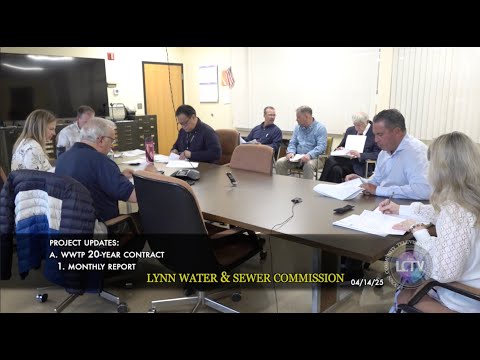
At the April 1 Lynn City Water Commission meeting, staff described how the city’s registration statement under the Water Management Act and a state drought designation are constraining local watering even though local reservoirs are reported near normal levels.
Staff told commissioners that the registration statement issued by the state’s Water Management Act office included stipulations requiring the city to implement conservation measures based on the drought status as determined by the state environmental secretary. The staff update said local reservoirs are “pretty much” filled and that the commission’s water supply capacity was about 85%, but the registration statement’s stipulations remain in force while an appeal of the state decision is pending.
Staff reported an appeal of an earlier decision reached an initial adverse finding and that the city has requested review; because no stay was granted, the staff said the commission remains obligated to enforce the registration statement’s restrictions. Staff noted the restrictions limit outdoor watering to handheld use for ornamental gardens and prohibit longer watering or car washing when the stipulations are in effect. One commissioner summarized the tension: reservoirs can be near capacity while a formal watering ban remains in place.
Commissioners and staff discussed operational consequences: the city’s seasonal flushing program typically scheduled in spring is under review because pushing flushing to the fall could harm water quality; staff said flushing in spring is preferred to preserve water quality while supply is ample. Staff also described how the state monitors drought: it uses reservoir reports, stream flow gauges, and other hydrological data to inform drought level decisions.
No new local ordinance was enacted at the meeting; staff said the city must follow the registration statement and state-designated drought measures until the appeal or a new state decision changes that status.