Get Full Government Meeting Transcripts, Videos, & Alerts Forever!
Get email alerts on the Tobacco Licenses topic
No spam. Unsubscribe anytime.
Lynn City Board of Health debates "use it or lose it" language for tobacco licenses
Summary
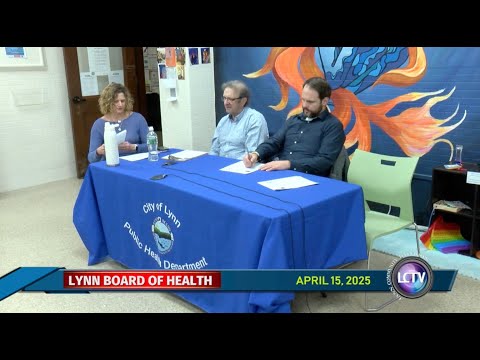
At a Lynn City Board of Health meeting, members discussed proposed changes to local tobacco licensing caps and whether to add a “use it or lose it” requirement to the tobacco regulations.
At a Lynn City Board of Health meeting, members discussed proposed changes to local tobacco licensing caps and whether to add a “use it or lose it” requirement to the tobacco regulations.
Solicitor Jim LaManna told the board, “There's nothing in the current, tobacco regulations that require a establishment to be open to, a certain number of days during the year.” He contrasted tobacco rules with alcohol licensing, saying the liquor license commission can investigate and ultimately revoke or require transfer if an alcohol establishment is closed for an extended period. “They could revoke or or give them a deadline if you don't either, a, reopen or, b, transfer the license,” he said.
The board discussed several concerns raised by members: family-run businesses that close seasonally or temporarily for illness; whether a license holder who pays fees but remains closed should lose a license; and the possibility that stricter rules could act as a de facto reduction in the number of retail tobacco outlets. One member noted there are 35 tobacco licenses in the city and expressed concern about taking a paid license away from a business that has no violations.
Board members and the solicitor explored options for drafting the regulation. Suggestions included mirroring liquor-license practice (which can treat a license as dormant and ultimately remove it), adding a notification requirement for extended closures, or changing a mandatory “shall” to a discretionary “may” in proposed language so the board could consider mitigating circumstances. LaManna recommended researching other municipalities' language and said some communities already allow revocation of dormant tobacco licenses.
Rather than adopt new language at the meeting, the board agreed to defer the item. Members asked the solicitor to gather sample language and return with a draft; the group set the item for consideration at the next meeting in roughly one month.
Context: Board members emphasized balancing two goals — reducing tobacco availability as a public-health priority and avoiding unduly penalizing small, lawful businesses that temporarily close. The board discussed using renewal deadlines and notification procedures to reduce unintentional loss of a license for businesses that miss renewal deadlines.
Ending: The board did not vote on changes to the tobacco regulations. Members asked the solicitor to research model provisions from other jurisdictions and to draft language that could include an appeal or notification process; the item is scheduled for the next meeting.