Get Full Government Meeting Transcripts, Videos, & Alerts Forever!
Get email alerts on the Education topic
No spam. Unsubscribe anytime.
Superintendent warns sharp timber revenue drop could force staff and program cuts; asks voters to consider levy
Summary
Newly installed superintendent Dr. Tyler Reed told the council the district faces a $2.7 million drop in timber revenue this year tied to the Habitat Conservation Plan and recommended a local levy increase to avoid layoffs and program cuts.
Dr. Tyler Reed, superintendent of the local school district, told Wheeler City Council members on March 18 that the district faces an abrupt reduction in timber‑related revenue and may need to cut staff and programs unless voters approve a local levy increase.
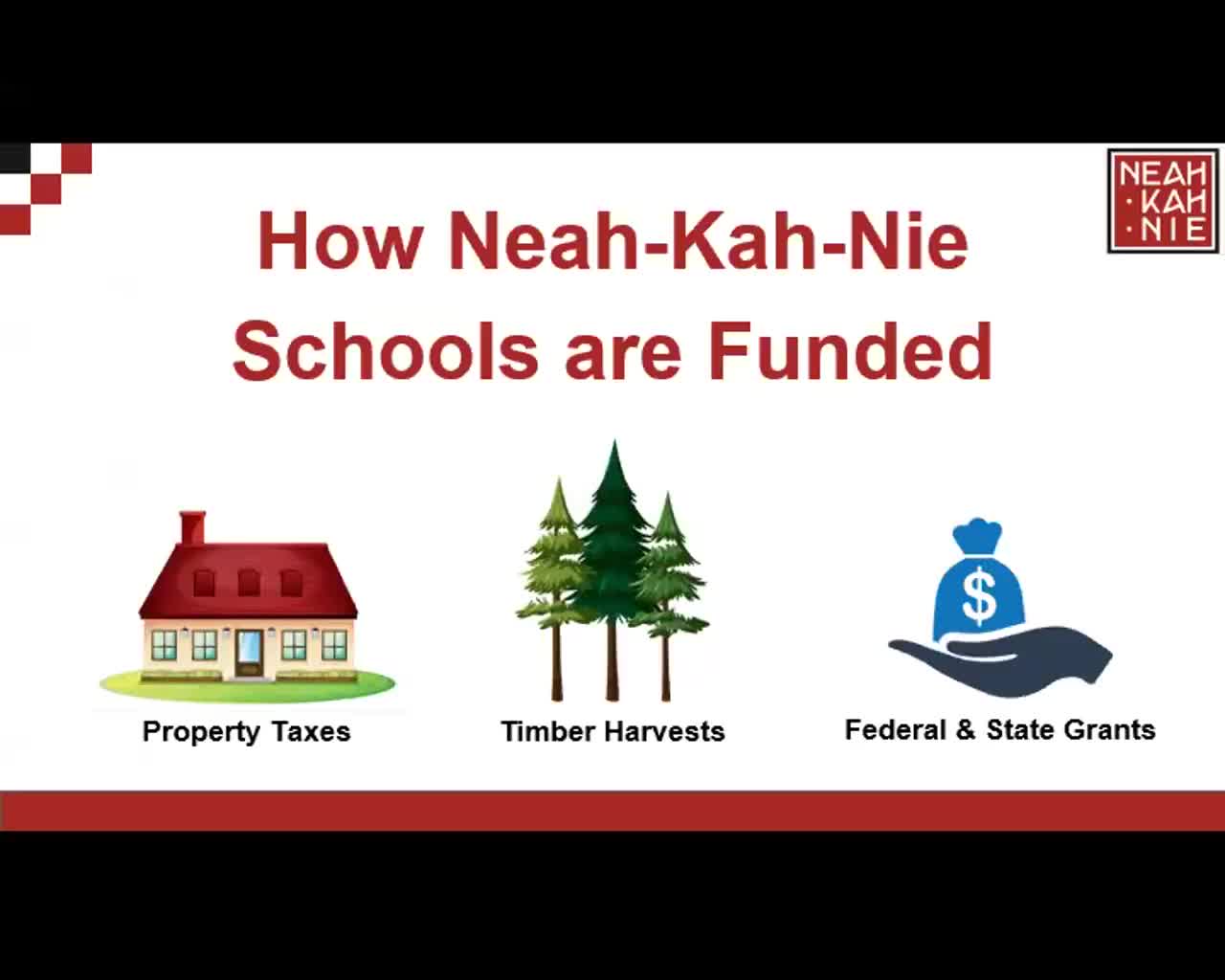
In a presentation that included background on school funding mechanics, Reed said the district serves about 700 students pre‑K through grade 12 and has relied on three main revenue streams: local property tax, timber receipts and federal/state grants. He told the council timber receipts — historically a large, variable source of revenue for the district — have fallen sharply after the state’s recent Habitat Conservation Plan (HCP) activity led companies to pull back on timber claims and harvests. Reed said the district received roughly $2,700,000 less in timber receipts than in prior years while its budget had been based on multi‑year averages.
Reed said the board’s preliminary estimate to balance a continuing revenue shortfall would require eliminating about 20.5 full‑time staff positions, a combination of teachers and administrators, or cutting comparable programming. He said the district has about 75 licensed teachers and that losing 20 positions would be a substantial reduction. Reed listed non‑mandated programs that could be at risk if revenue falls — free preschool, free meals for all students, evening activity buses, fee‑free play and paid college credits for some students — and asked the community to weigh whether they want to preserve those offerings.
To bridge an anticipated shortfall in the coming biennium, Reed presented a proposed local levy increase. He said an expiring bond currently reduces the district’s ask to about 50¢ per $1,000 of assessed value; the proposed levy would raise that to 75¢ per $1,000 (an increase Reed estimated would bring in roughly $2,000,000 per year). Using an example of an assessed value of $250,000, Reed said the levy increase would add about $66 per year — roughly $5.50 per month — to that taxpayer’s bill. He emphasized that Oregon law limits how much districts can ask from local property taxpayers and that the board is proposing the maximum the state allows for this type of local levy.
Reed said the district does not qualify for state school fund distributions because of how Oregon’s funding formulas apply in certain small, coastal districts and reiterated that timber revenue volatility has a direct, outsized effect on the district’s finances. He described the levy as a bridge to avoid immediate, deep cuts while the district monitors timber revenue and seeks other funding sources. Reed said the levy proceeds would preserve staffing and programs and buy time to track longer‑term HCP impacts to timber receipts.
Councilors asked questions about the timeline, how the tax is calculated (assessed value vs. market value), and how many residents outside the district receive tax bills (Reed said about 64% of tax statements for properties in the district are mailed to addresses outside the district, e.g., second‑home owners). Reed said the board plans town halls at district schools and has an online calculator on the district website so residents can estimate their individual tax impact. He said the board will need to act quickly if it wants the levy on a near‑term ballot: budget decisions and the mid‑biennium point means the district will need to finalize cuts or levy options in the coming year.
Reed did not ask the council to take a formal position at the meeting but said he is meeting with local city councils to share information and encourage community engagement. He urged residents to review the district’s web materials and attend upcoming town halls.