Get Full Government Meeting Transcripts, Videos, & Alerts Forever!
Get email alerts on the Municipal Budget topic
No spam. Unsubscribe anytime.
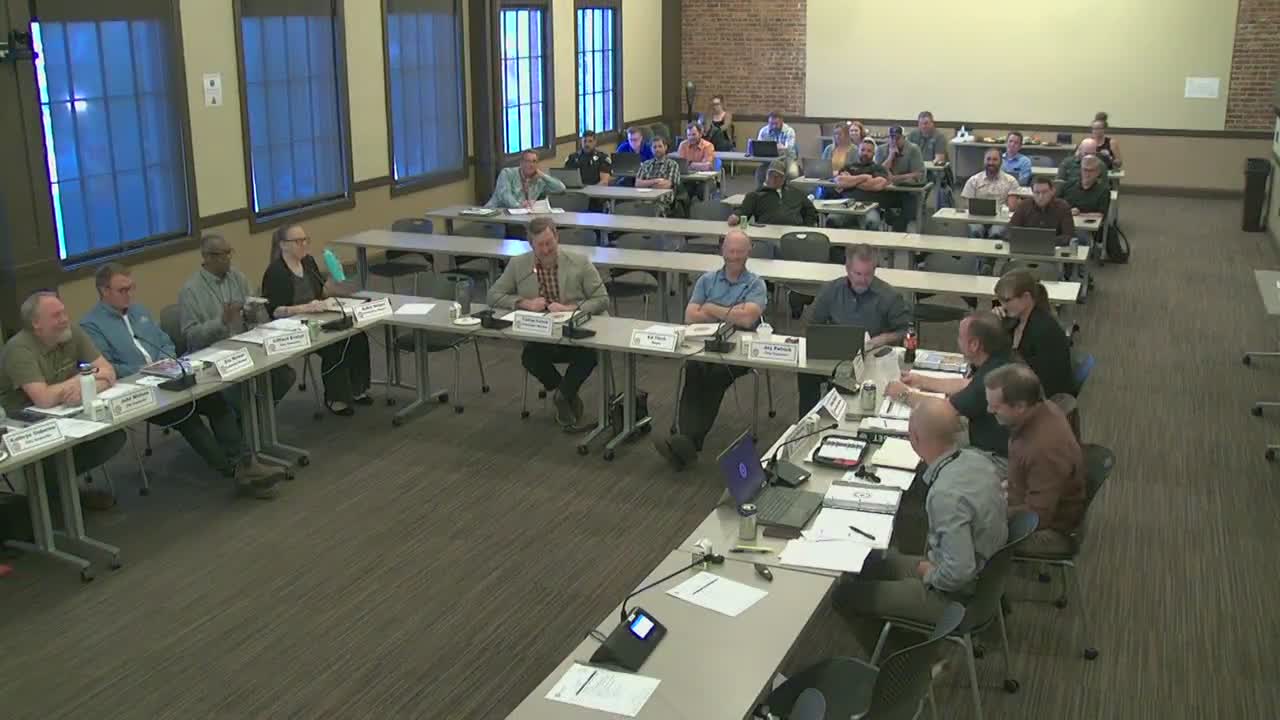
Redmond budget committee approves city and urban renewal agency budgets for FY25-26
Summary
The City of Redmond Budget Committee approved the city’s fiscal year 2025–26 budget and the Urban Renewal Agency budgets, including property tax rates and URA project allocations, after public hearings and staff presentations.
The City of Redmond Budget Committee voted to approve the proposed fiscal year 2025–26 city budget and the Urban Renewal Agency budgets after public hearings and staff presentations.
The committee approved the Urban Renewal Agency budget and property taxes for the Downtown and South 97 districts during a public hearing, and later approved the citywide budget and property tax rate for FY25–26. The motions were made and seconded on the record and the chair called the ayes; the record shows the motions carried.
City staff presented detailed fund-by-fund information during the hearings, including downtown urban renewal resources and fund balances, transportation capital projects, and enterprise fund forecasts. Staff noted available bonding capacity for the downtown district and the projected tax increment collections for both downtown and South 97.
The committee recorded a municipal property tax rate in the motion text presented to the record for operating purposes and bond debt; the motion as read on the floor stated a rate and an amount for general obligation bond principal and interest. One councilor, Shannon Wedding, recused herself from the final City budget vote due to a stated conflict of interest.
The committee closed the public hearings after hearing no public testimony on the record and proceeded to formal votes on the Urban Renewal Agency budget and then the City budget and property taxes.
The approvals set the spending and revenue assumptions for the city’s capital and operating programs for the coming fiscal year and authorize staff to proceed with the budgeted projects and tax collections as described in the adopted documents.
Clarifying details provided during the hearing—for example, URA fund balances and bonding capacity, and the percentage of tax increment being shared with taxing entities—are summarized below.