Get Full Government Meeting Transcripts, Videos, & Alerts Forever!
Get email alerts on the Design Guidelines topic
No spam. Unsubscribe anytime.
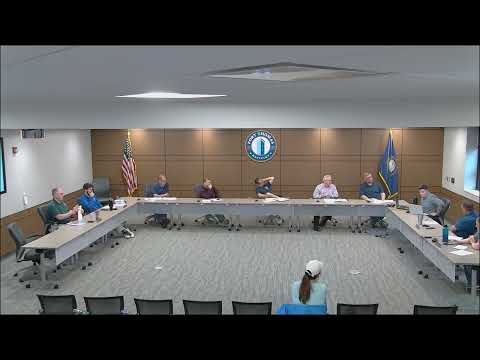
Design Review Board outlines use of UDO criteria for waivers, keeps demolition review under certificate of appropriateness
Summary
City staff briefed the Design Review Board on how the newly repassed Unified Development Ordinance will guide design waivers, demolition review and appeals; staff said the Tower Park overlay will be managed under the new rules while a proposed Fort Thomas overlay was not adopted.
The Design Review Board heard a staff briefing on how the newly repassed Unified Development Ordinance (UDO) will shape design waivers, demolition review and appeals and on planned training for board members.
City staff presenter Lance walked the board through a packet of UDO excerpts and said the board should reference Section 110.05’s findings when making motions on waivers. He said staff will evaluate applications against criteria in the UDO (including pages identified for the Alexander Pike Mixed Use District and neighborhood commercial districts) and bring items to the board when an element does not meet the standards.
The briefing focused on where the city will apply design-review rules: the Tower Park Historic Overlay District will be covered under the new overlay; Central Business District projects will rely primarily on the city’s existing design guidelines; Alexander Circle, Green Street and Pearson Street have district-specific guidance. Staff noted Pearson Street’s homeowner-association document is being converted into deed restrictions and will be considered under the Tower Park overlay when relevant.
On demolition, Lance said the staff report recommends regulating demolition within the district according to commonly used local rules. "Demolition of resources within the district should be regulated based on a set of rules typical of similarly locally designated significant districts," he said. He described an approach that would allow demolition of noncontributing buildings or inappropriate later additions when removal would not damage the historic resource, and said the guidelines should also include provisions for emergency demolition and economic hardship.
Staff confirmed that a certificate of appropriateness will still be required for demolition reviews. Appeals of design-review decisions would go first to the city council and then, if necessary, to Circuit Court; staff said council would become involved only on appeal and that a council review would precede court review. The board was told that for particularly substantive or contentious cases staff will bring in outside expertise from consultant Wes, but that routine, straightforward cases may be handled without that extra step.
Board members discussed the scope of the board’s authority. Staff emphasized that the Design Review Board is not an elected body and that, in some instances (for example, contested demolition decisions), council involvement may be appropriate. Staff also said design guidelines used in Alexander Circle and Tower Park were drawn from widely used "standards for rehabilitation" and the VA Memorandum of Agreement referenced in the packet.
Training and next steps: staff said they plan to continue a training series for the board and will tailor future sessions to members’ questions. They also said training next month will proceed unless three or more applications arrive and the meeting would otherwise become excessively long.
Votes at a glance: The meeting closed on a motion to adjourn; mover and seconder were not specified in the transcript and the board’s voice vote was recorded as "Aye," with the chair calling the meeting adjourned.
The staff packet and the design-review excerpts referenced in the briefing will be used as the basis for future reports and the board’s written motions, staff said.