Get Full Government Meeting Transcripts, Videos, & Alerts Forever!
Get email alerts on the Municipal Budgeting topic
No spam. Unsubscribe anytime.
Fort Thomas staff presents budget that keeps tax rate steady while flagging long-term funding trade-offs
Summary
City staff presented a proposed operating and capital budget that holds the current property tax rate, details planned capital projects and warns that using reserves for one-time projects will reduce the fund balance and prompt future choices about tax rates and borrowing.
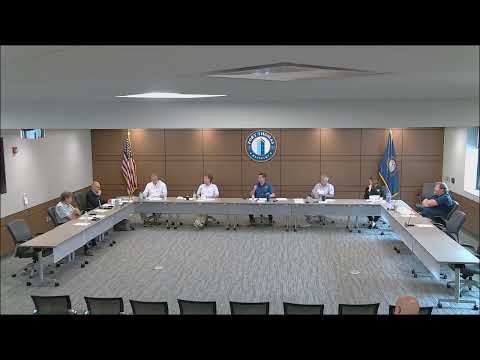
City staff presented the Fort Thomas proposed operating and capital budget to the City Council on a draft that holds the current real-estate tax rate while funding a slate of parks, streets and public-safety projects.
The presentation, led by a city staff member identified in the meeting transcript as “Speaker 2, City staff (budget presenter),” said the budget assumes the current tax rate and that the city’s total fund balance will fall to about $7.7 million under the proposed spending plan. “I went ahead and held the rate, and that's what this budget is based upon,” the staff member said during the discussion.
Why it matters: the staff member told councilors the city faces multiple near-term capital needs — streetscapes, Tower Park replacement in coming decades, apparatus replacement for public safety — and that using reserves to cover those costs absorbs one-time cash that would otherwise buffer ongoing operations. The staff member recommended mapping long-range needs and providing council with projections of asset replacement timelines and cost inflation so the council can weigh whether to hold the tax rate or consider increases.
Councilors pressed for more detail on the city’s target reserves and long-term forecasting. One council participant asked whether state rules or common practice set a minimum fund balance; the staff member said state reporting and audit practice informed the analysis and said many cities target roughly six months of operating expenses but that the precise target is a policy decision for council.
Supporting details: Staff described an intent to produce a 20-year mapping of capital needs for items such as ladder-truck replacement, park overhauls and street projects and to show inflation-adjusted cost estimates. The presenter said some capital projects were being paid from self-supporting funds (for example, a street fund supported by franchise fees) and that consolidating fund accounting and utility line items should clarify future annual operating and capital demands.
The staff member also said that, in prior years, council had sometimes approved projects without formal line-item budgeting by using fund balances, and said the administration will bring a forecasting tool and a midterm finance discussion to council to evaluate what reserve level the city should maintain.
Next steps: staff said it will produce a multi-year capital forecast and return to council with the tradeoffs between holding the tax rate and preserving reserves or phasing projects over several years. No formal vote or tax-rate change was taken during the meeting.