
Planning board continues Mill Street affordable-housing hearing after wide public comment on parking, flooding and access
Get AI-powered insights, summaries, and transcripts
Subscribe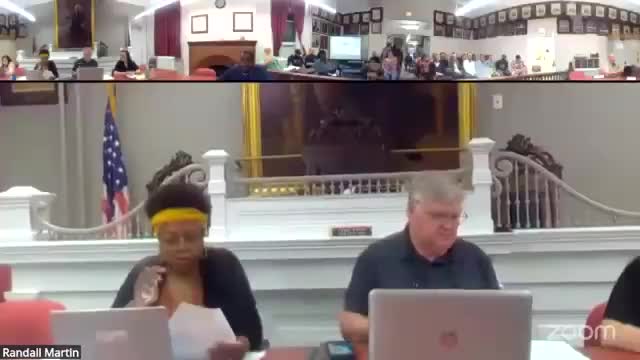
Summary
The Planning Committee opened public comment on the Mill Street affordable-housing proposal and continued the public hearing to May 29 after residents raised repeated concerns about parking, flooding, pedestrian access and infrastructure capacity.
The Hudson Planning Committee on May 13 opened the public hearing for the Mill Street housing project and continued the hearing to May 29 at 6:30 p.m. after extensive public comment about parking, stormwater and site access.
The committee said the application had been revised and that some engineering materials were submitted late; the board set the next meeting for May 29 to allow time for staff and consultants to review outstanding documents and for the public to file written comments.
Why it matters: The Mill Street proposal drew hours of testimony from neighborhood residents and service providers because the site is low-lying, largely without sidewalks and has extremely constrained on-street parking. If built as proposed, neighbors said, the project would add dozens of households to a street they described as already at capacity for parking and vulnerable to floodwater.
Project details and developer response The applicant submitted updated plans and a flood-analysis filing that staff had not yet reviewed, planning staff said. Engineers for the project told the board they would elevate the building foundation and refine stormwater measures; they also said they had performed geotechnical testing and would provide the final reports to staff.
Public commenters pressed for larger off-street parking allocations, parking assignments for residents and guests, and clearer contingency plans if leased or remote spaces proved unavailable. One commenter described Mill Street as “20 feet wide, only 17 at its narrowest pinch point,” and said the street “has no sidewalks connecting to the town.” Another asked whether the project’s proposed 50 onsite parking spaces would be adequate for a building that could house more than 100 adults.
Supporters said the project would provide desperately needed affordable units. Dalton Lopez, identified in the meeting as a Fifth Floor resident, told the board: “This project offers affordable housing units, which is a lifeline for working families, for seniors and for young people who are desperately… trying to stay and contribute to their hometowns.”
Board guidance and next steps Planning staff said they could make the late flood analysis and other materials available before the next meeting; the board agreed to continue the hearing and to request any decisional resolution be posted in time for public review as required by New York’s Public Officers Law. The board did not take a final vote on the project on May 13.
The May 29 meeting at 6:30 p.m. at City Hall will include further review of the flood analysis, stormwater plans and any additional public comments. The board asked applicants to provide written responses and engineering materials in the municipal submission portal before that meeting.
Community context and outstanding concerns Speakers stressed three recurring issues the board flagged for follow-up: 1) whether the onsite and leased parking will be secured for “the life of the project” (some commenters asked for a lease term or plat note tying spaces to the site); 2) whether stormwater and sewer capacity in the immediate area can handle the development without displacing flood risk onto neighbors; and 3) pedestrian safety on a steep, largely unsidewalked approach to the site.
The board also encouraged the applicant to coordinate with the Department of Public Works on infrastructure improvements and to ensure any conditions tied to parking or stormwater are clearly written into draft approval materials so they can be enforced if the project proceeds.