Get Full Government Meeting Transcripts, Videos, & Alerts Forever!
Get email alerts on the K12 Education Electives topic
No spam. Unsubscribe anytime.
Moscow High students describe new electives — creative writing, media literacy and film as literature
Summary
High school students told the board about three newly added electives — creative writing, media literacy and film as literature — and described classroom projects, student engagement and skills learned.
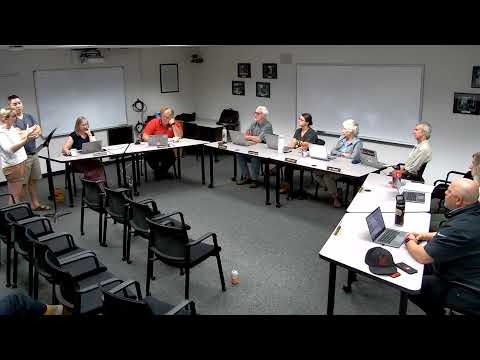
Students and teachers from Moscow High School presented three new elective courses to the board May 28, saying the classes increased student engagement and gave practical communications and critical‑thinking skills.
Students described the creative writing, media literacy and film as literature classes. Chera Frost, a student who took creative writing, said daily writing prompts and unit projects (short stories, poetry, creative nonfiction) helped students across skill levels. “Creative writing is a really good class for anybody because creative writing is such a good skill to have, to be able to tell a story and to understand how a story works,” she said.
Ethan Maxer, a junior who spoke about media literacy, said the class teaches students to decode messages and to apply those skills to campus media like the school’s morning broadcast. “We learned how moral panics work… and how to write presentations and think critically about how many kids will see this,” Maxer said, describing practical production work that included planning and recording school broadcasts.
Students Basil Sauer and Kylie Nallet described Film as Literature, taught by Miss Lyon. They said the course teaches rhetorical and historical analysis of films across genres and eras, including camera techniques and how audience context affects reception. Students mentioned close study of Citizen Kane, Casablanca and other films to understand direction, score and cinematography.
Principal Don Summers and other administrators praised the teachers and noted the electives came from student surveys conducted the prior year. Superintendent Sean Rice and board members highlighted that the courses offer broader pathways to keep students engaged academically and socially. Board members asked about classroom resources such as audio/visual quality for student productions; students and teachers said technical limits (school speakers, computers) were an active part of classroom problem‑solving and that the district has been supportive in addressing those issues.
The presentations were delivered largely by students with teacher supervision; no board action was required. Speakers emphasized the courses’ role in offering students varied, career‑relevant coursework and in encouraging student voice.