Get Full Government Meeting Transcripts, Videos, & Alerts Forever!
Get email alerts on the Homeless Policy topic
No spam. Unsubscribe anytime.
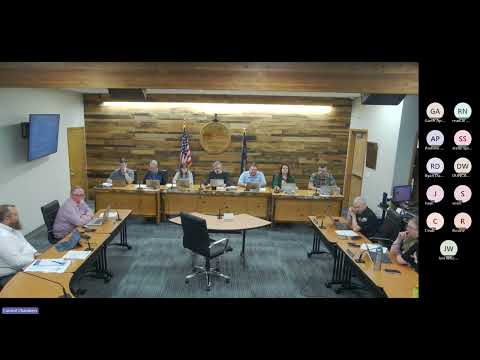
Council approves first reading of camping ordinance to formalize unsheltered‑camping policy; vote 5–2
Summary
City Council approved the first reading of Ordinance No. 2 (2025), updating the city's approach to unsheltered camping and defining rules intended to avoid establishing sanctioned campsites; vote was 5–2.
The Sweet Home City Council on April 13 approved the first reading of Ordinance No. 2 for 2025, an ordinance that clarifies and narrows the definition of camping on city property and aims to make existing practices more defensible for enforcement and resource referrals.
City Attorney Larson said the ordinance incorporates adjustments recommended by CIS (the city’s insurer) and counsel to ensure the city does not inadvertently create a sanctioned campsite on public property. Larson explained the ordinance focuses on conduct that demonstrates an intention to “rest, sleep and live for a period of time” to distinguish camping from normal public‑park activities.
Larson said the city has used a practice of directing unsheltered people to local facilities when possible and, when necessary, to a site behind the police station; the ordinance is intended to give officers clearer authority to follow that practice and connect people to services.
Councilor Richards said she remained cautious and would vote no, stating she believed the existing policy might be sufficient. Councilor Sanchez and Councilor Richards cast the two no votes. The motion to approve the ordinance for first reading passed 5–2.
Following the vote, the council scheduled the second reading of the ordinance for the May 13 meeting.
The staff packet and Larson’s presentation noted the city had worked with CIS’s attorneys to update language and that state law requires jurisdictions to have a policy in this area; the ordinance aims to align enforcement with the city’s outreach and shelter referral practices rather than expand enforcement beyond current practice.