Get Full Government Meeting Transcripts, Videos, & Alerts Forever!
Get email alerts on the Meals Tax topic
No spam. Unsubscribe anytime.
Roanoke restaurant owners urge council to reject proposed meals tax increase
Summary
Restaurant owners told Roanoke City Council the industry is still recovering from the pandemic and that raising the meals tax would disproportionately hurt workers and local families.
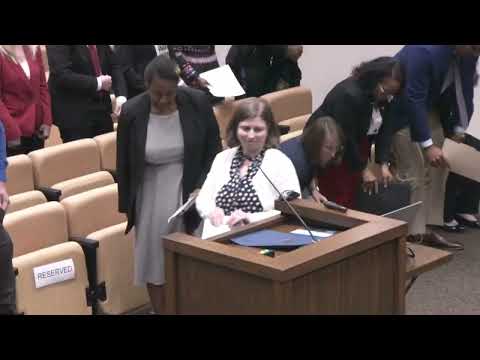
Several restauranteurs and industry supporters told the Roanoke City Council on April 7 that a proposed increase in the city meals tax would hurt small businesses and low-income residents.
Matt Bullington, owner and operator of Texas Tavern, told the council he has worked in Roanoke restaurants for more than three decades and opposed raising the meals tax toward 7%. "Every time the city gets in a financial crisis, they come to our industry to fill the shortfall," Bullington said, and he warned consumers and workers would feel the burden. He said the industry already collects multiple levies and that consumption taxes are regressive, often hitting lower-income households harder.
The concern was echoed by restaurant owner Nathaniel Sloan, who said the sector remains "exhausted, tired, broke" after the pandemic and urged council members to find other budget adjustments rather than raise dining taxes. "We cut staff. We cut hours. Maybe it's time for the city to do the same," Sloan said.
Why it matters: Council and city staff are considering options to close a budget gap for fiscal 2026. The meals tax is a visible revenue source because it is charged at the point of sale and affects diners directly; opponents said a higher rate would reduce spending and further pressure restaurants still recovering from COVID-era losses.
Details from public comments: Bullington recounted the historical progression of Roanoke's meals tax and said that while out‑of‑town visitors pay some of the tax, 70–75% of restaurant spending is by local residents (he characterized that figure as national data). Sloan said even an additional percentage point adds up for families who rely on quick food purchases.
What the speakers asked council to do: Both speakers requested council seek alternative budget reductions and avoid raising the meals tax for now. No council action on the meals tax was taken at the meeting; these remarks came during the citizens-at-large public comment period.
Ending: Council received the comments and proceeded with the published agenda. Any formal proposal to change the meals tax would require public hearings and a council vote at a later meeting.