Get Full Government Meeting Transcripts, Videos, & Alerts Forever!
Get email alerts on the Community Development topic
No spam. Unsubscribe anytime.
Commission authorizes community development funds to let businesses sponsor local projects
Summary
The Triad City Commission unanimously approved creating community development funds to accept donations from businesses and other donors for beautification, conservation, utility infrastructure and walkability projects, with staff to write guidelines and public engagement steps.
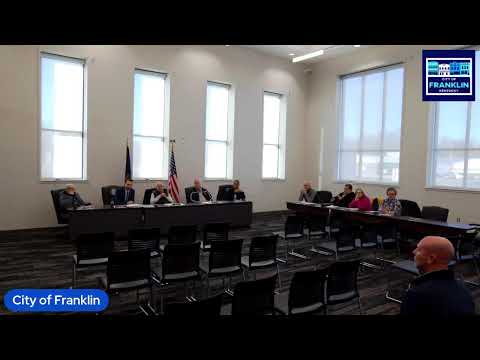
The Triad City Commission on Monday authorized creation of community development funds that will let businesses, developers and residents contribute to local projects such as parks, sidewalks, utility upgrades and conservation efforts.
City staff presented the proposal as a way to supplement scarce tax dollars and provide a structured way for private donors to sponsor projects the community prioritizes. The commission approved the measure unanimously after staff described proposed project categories, funding tiers and public recognition for donors.
John Sabrina, who presented the proposal to the commission, said the program is intended to “take the burden off the taxpayers” and to let industry partners fund community improvements the city otherwise could not afford. Sabrina described four categories for donations — beautification, conservation, utility infrastructure and walkability — and said projects would be placed into tiers so that funds are allocated across categories rather than allowing one fund to capture most donations.
Under the concept outlined by staff, projects would be posted publicly and donors could designate funds for specific eligible projects. Staff recommended caps and tiered targets (for example $50,000 and $100,000 tiers) so smaller projects can also be funded. Sabrina pointed to the planned FEMA storm shelter site as an early example where donor funds could enhance green space around a federally funded structure.
Commissioners discussed safeguards to avoid perceived favoritism. One commissioner urged clear audit procedures and reliance on the city’s ethics ordinance so donors do not receive special privileges. Sabrina said staff would build guidance and an audit framework into the program and seek public input before accepting donations.
The commission then made a motion “to authorize the creation of community development funds for projects and to fund community projects.” The motion passed unanimously; commissioners recorded as voting in favor in the meeting record included Commissioner Powell, Commissioner Bush, Mayor Mason, Commissioner McQuery and Commissioner Stewart.
Staff said the next steps are to draft formal program guidelines, establish a public dashboard that lists projects and donors, and begin outreach to potential corporate and local donors. Sabrina said staff will also work with the industrial authority and other partners on fundraising and project selection.
The commission’s approval creates a structure for private contributions but does not appropriate project-specific spending; each funded project will require the usual project approvals and oversight.