Get Full Government Meeting Transcripts, Videos, & Alerts Forever!
Get email alerts on the Meals Tax topic
No spam. Unsubscribe anytime.
Restaurant owners and food-service operators urge council to reject proposed meals-tax increase
Summary
Dozens of restaurant and food-business representatives told the council that a proposed increase in the prepared food and beverage (meals) tax would harm small businesses, reduce downtown foot traffic and hurt local workers and suppliers.
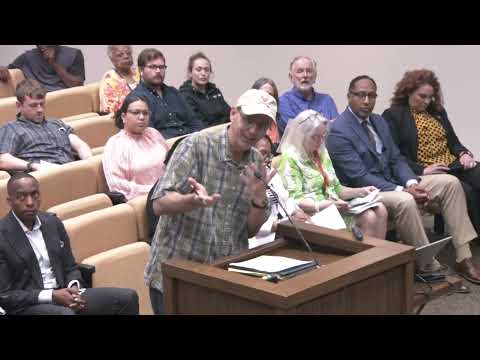
Roanoke officials opened a public hearing on a proposed increase to the city’s prepared food and beverage tax, commonly called the meals tax, and dozens of restaurateurs, food suppliers and business owners addressed the council to oppose the proposal.
Speakers repeatedly emphasized that the hospitality and restaurant sector is still recovering from pandemic-era disruptions and ongoing inflation. “For the past 5 years have been the hardest 5 years in the history of the modern restaurant industry,” said James Bullington, owner and operator of Texas Tavern. He cited an industry study he said shows “for every 1% increase in a meals tax, there's a subsequent 7 to 10% reduction in sales volume revenue.”
Owners and operators said higher meals taxes are regressive and disproportionately affect local customers. Keith Liles, who owns Deb’s Frozen Lemonade, said that because his business is seasonal he cannot absorb additional costs and that an increase makes menu prices look worse to customers. “When the consumer… sees a hot dog, a lemonade, and a bag of chips, call 6.85 on the menu board, and it comes up to 7.75 when I ask them for the money, it looks bad on me,” Liles said.
Several speakers argued a hike would make Roanoke less competitive for conventions and tourism. Eric DeLauro, who owns Table 50, said a proposed rise from about 5.5% to 7% — a figure he cited in testimony — would leave the city among the highest in the commonwealth and could deter conventions and visitors. Other speakers, including Hunter Johnson (owner of Lucky and Fortunato) and Maxwell Mooney (food-and-beverage consultant), highlighted narrow restaurant profit margins — typically “about 3 to 5%,” Mooney said — and warned a small tax increase can equal a large share of operators’ profits.
Suppliers and local food businesses also warned of downstream effects. Fred Najim, owner of Roanoke Fruit and Produce Company, told council members that if restaurants lose customers, suppliers and farmers will lose sales and the city could ultimately collect less revenue.
Multiple speakers asked council to find alternative budget solutions that do not target a single industry and to consider the role restaurants play as an economic and cultural driver for downtown. The public hearing closed with no vote recorded during the meeting excerpt in the transcript.