Get Full Government Meeting Transcripts, Videos, & Alerts Forever!
Get email alerts on the Municipal Budget topic
No spam. Unsubscribe anytime.
Liberty Hill finance director outlines budget priorities, proposes fleet leasing and fund-balance limits
Summary
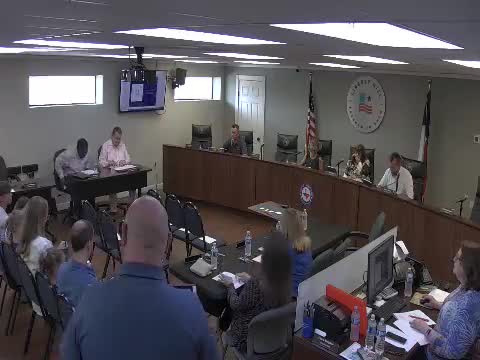
Josh Armstrong, Liberty Hill finance director, presented a budget workshop to the City Council on May 20, 2025, outlining near‑term priorities for the general fund and utility funds and recommending changes to vehicle procurement and fund‑balance policy.
Josh Armstrong, Liberty Hill finance director, presented a budget workshop to the City Council on May 20, 2025, outlining near‑term priorities for the general fund and utility funds and recommending changes to how the city plans for vehicle replacements and manages fund balance.
Armstrong said the city is working to rebalance funding across the general fund, wastewater and water funds, and capital improvement programs and that his “goal over the next three years is to change that pattern.” He described water supply and treatment planning, including a midterm strategy leading to an advanced water purification facility he estimated at about five years away, and pointed to ongoing work on SCADA and cybersecurity for utility operations.
The finance director said the city participated in a regional compensation survey led by the City of Taylor and supplemented results with data from Williamson County cities and the Texas Municipal League to build a jobs‑and‑pay framework. “We utilized information from the other participating cities in Williamson County, as well as TML salary surveys,” Armstrong said, adding the work will inform a jobs analysis to be included in next year’s budget development.
Armstrong proposed changing the city’s vehicle procurement approach from paying cash for replacements to a lease‑purchase model and suggested inviting an Enterprise representative to the council’s upcoming budget workshop for a detailed fleet analysis. He said the current budget includes $950,000 for vehicle replacement and argued that a lease‑purchase structure could lower annual costs while maintaining equity in sold vehicles.
On fund balance policy, Armstrong told the council the current policy requires about 25 percent operating cash but lacks specific guidance for excess reserves. He recommended establishing a floor of roughly 90 days (about 25 percent) and a ceiling of about 120 days of operating funds, plus a five‑year “spin‑down” plan to govern any drawdown of surplus capital. “If we make these changes, what I’m looking to add to that is a spin down policy that at a bare minimum is a five‑year plan that we look at every year,” Armstrong said.
City Manager Paul Brandenburg praised the finance team’s progress. “With the work that finance department has done over the last year…we’re positioning ourselves as a city now to be able to do these things,” he said, noting ongoing staff work and weekly budget meetings between manager’s office and finance staff.
No ordinance or resolution was introduced or voted on during Armstrong’s presentation. Armstrong told the council he would bring more detailed materials to the council’s designated budget workshop next week and said the Enterprise representative could attend that workshop if the council wanted specifics on a fleet lease‑purchase option.
Background and next steps: Armstrong described the city’s transition to a new IT vendor, progress on a document management solution approved earlier in the year, and a planned timeline to develop key performance indicators and a public dashboard within roughly a year. Council members asked for more detail and said they expect follow‑up materials before any firm decisions are made.
The council did not take formal action on the items Armstrong raised; a full budget workshop with more detailed materials was scheduled for the following week.