Get AI Briefings, Transcripts & Alerts on Local & National Government Meetings — Forever.
Liberty Hill launches water-conservation campaign after leak survey finds major losses
Loading...
Summary
City staff outlined a multi-pronged water-conservation campaign that ties into regional rebate programs, expands customer leak-detection tools and pilot programs, and includes outreach such as rain‑barrel sales and a planned xeriscape demonstration.
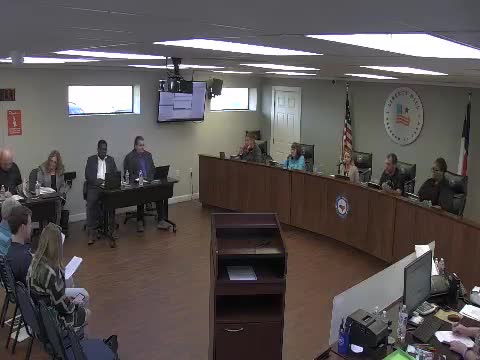
City of Liberty Hill staff presented a new water-conservation initiative March 12, saying the program is built around infrastructure repairs, incentives and public education to reduce demand as the city pursues additional water supply.
The city’s utilities presenter said a recent leak-detection survey of 56 miles of water lines found 26 leaks and that repairing them produced an estimated 900,000 to 2,500,000 gallons per month in water savings. “We repaired those leaks. And that repair yielded 900,000 to 2,500,000 gallons per month by just us fixing the leaks in our pipes,” the presenter said.
Why it matters: Liberty Hill’s population and water demand have outpaced existing supply, city staff said, and the council has prioritized demand-side measures while long-term sourcing is pursued. The initiative bundles no-cost or low-cost customer tools, rebates and city-led pilot projects to reduce potable water used for irrigation and other nonessential uses.
City staff said the campaign will promote rebates available through the Lower Colorado River Authority (LCRA) for irrigation evaluations, irrigation equipment and pool improvements; the city will actively publicize those programs. The presentation also outlined the WaterSmart customer portal that allows residents to monitor consumption and receive text alerts about suspected leaks. “It does it also gives you customized suggestions based on your water usage for how you can conserve,” a staff member said.
Planned and existing measures described include: a rain‑barrel sale (spring deliveries targeted around March 15), promotion of LCRA rebates (claimed to reimburse up to roughly 50% of certain conservation purchases), the WaterSmart metering and alert system, and a proposed “ugliest yard” xeriscape demonstration that would document conversion steps and serve as public education. Staff also recommended quarterly recognition of local businesses that demonstrate water‑wise practices.
Council discussion noted constraints from homeowners associations on landscape conversions and asked staff to coordinate with HOAs before selecting demonstration sites. A council member highlighted prior local committee work—“LH2O”—and noted that roughly 60% of the city’s drinking water is used for irrigation, framing conservation as a high-impact near-term strategy while new supplies are sought. Staff said piloting graywater or reuse irrigation for city facilities may also be considered.
Next steps: Staff will roll out the April conservation campaign, continue leak repairs, promote rebates and work with council on HOA outreach and the demonstration project timeline. No formal vote was required for the presentation; council members asked for further coordination and outreach details.