Get Full Government Meeting Transcripts, Videos, & Alerts Forever!
Get email alerts on the Ordinance Revision Postponed topic
No spam. Unsubscribe anytime.
Highland Park board postpones ordinance revisions after heated exchange; public commenters urge vacancy protections for students
Summary
Board discussion of proposed rent-control ordinance changes — including a disputed 'just and fair return' clause and concerns about vacancy decontrol/revolving tenancy — was postponed after a contested exchange about a confidential attorney memo. Public commenters urged clearer protections for student renters.
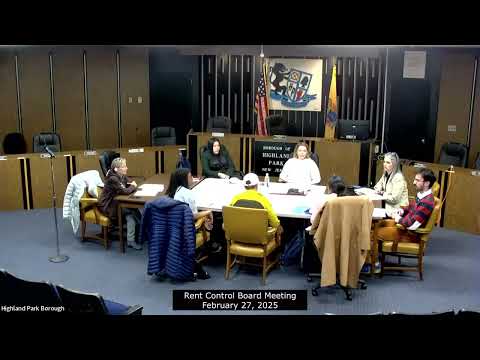
The Highland Park Rent Control Board on Jan. 21 postponed consideration of proposed ordinance revisions after a dispute over whether the board could discuss a confidential attorney memo that analyzed a “just and fair return” clause.
Lucinda, a board member and the board’s newly elected vice chair, and other members told the board’s attorney they believed prior conversations and suggested amendments were not reflected in the draft the attorney circulated. The board attorney said the document included legal analysis she had been asked to research and that portions of her memo were confidential attorney–client communications; she offered to discuss details one-on-one to avoid creating a quorum that could run afoul of notice rules. The attorney told the board she had researched precedent and exposure but could not publicly review the confidential memo at the meeting.
Board members raised two recurring substantive issues: the “just and fair return” definition in the draft ordinance (a proposed rate-of-return provision that some members said would amount to a guaranteed profit for landlords) and the treatment of revolving tenancy or vacancy decontrol when some tenants renew and others do not. Lucinda and others said the draft did not reflect the sentiments expressed in earlier meetings; the attorney responded that the document reflected her legal analysis and risk assessment and that she would note the board’s positions for the record.
After the exchange, the board voted to postpone further discussion of the proposed ordinance language until the next meeting and to schedule an executive session so the attorney could provide confidential advice to the borough and the board in a properly noticed setting. The motion to postpone passed by voice vote; the chair confirmed the item would be returned to the agenda next month for executive-session review.
Public comment underscored the two practical concerns raised during the board discussion. Erin Kelly, who described her work with student renters in Highland Park, urged the board to “adopt a more, stringent policy when it comes to allowing, rents to be reset to market rate,” saying many international and low‑income students depend on small budget margins. Michael Turley, a graduate student at Rutgers University, asked the board to consider New Brunswick’s rent-control approach as precedent, noting New Brunswick’s ordinance treats vacancy decontrol as triggered only when all tenants leave a unit. Kate Stevens said clear, plain‑language ordinance text and rules help tenants enforce their rights and avoid costly legal searches: “Rules are helpful. Rules make things easier for people to be correct.” Jamie Balancha urged tenant-notification and landlord-notification measures similar to other municipalities.
Board members and staff said they expect to return the draft ordinance to the agenda after the attorney provides confidential guidance in the properly noticed executive session. The board also agreed to solicit additional edits and to permit one-on-one conversations with the attorney for members who requested clarification outside a public meeting.
The board then opened general public comment and adjourned after a short period.