Get Full Government Meeting Transcripts, Videos, & Alerts Forever!
Get email alerts on the Public Works Recreation topic
No spam. Unsubscribe anytime.
Public works and recreation staff describe operations, staffing and budget notes; answering service, LEDs and parks among topics
Summary
Public works and recreation officials reviewed programs that touch most residents — playground camps, lifeguards, street and stormwater maintenance, building maintenance and engineering — and discussed staffing, minimum‑wage effects, answering‑service costs and asset maintenance.
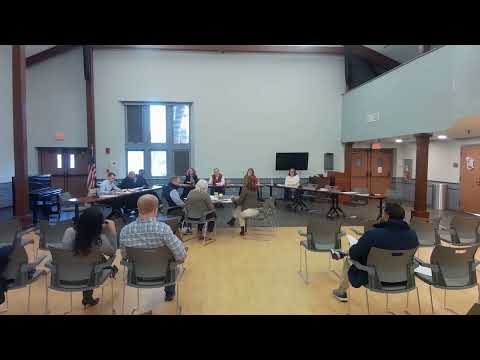
Officials from Public Works and Recreation gave the ordinance committee a consolidated overview on March 25 of services that touch “every single person in the town,” covering recreation programs, public works administration, building maintenance, engineering and highways.
Sarah (department head) described recreation operations: playground camps are fully enrolled with wait lists, cost $150 for a five‑day week and provide daily lunch; lifeguard staffing is fully funded and staffed this year; the department is running new activities such as pickleball leagues and open gym nights for teens. Committee members raised questions about expanding camp locations and capacity; staff said expansion is difficult because the program is intentionally priced to be economical and small daily no‑shows create staffing and cost risks.
Public Works administration staff described centralized functions that support about 100 public‑works employees, including payroll, invoice processing, hazardous waste coordination and golf course accounting. Staff explained an answering‑service arrangement that covers phones after hours and during high call volumes; the service pushes critical calls (for example, a downed tree at 2 a.m.) to supervisors so crews can respond. Committee members asked questions about line‑item changes and headcount shifts; staff said some budgeted headcount changes reflect historical template constraints and prior transfers (for example, custodial staff movements) rather than new hires.
Public Building Maintenance staff said they maintain more than 80 town and school buildings, keep electricians, HVAC technicians and plumbers on staff, and are holding headcount flat aside from contractual step increases. The town’s engineering staff described ongoing mapping and permitting work and said the assistant town engineer position has been budgeted at full‑time this year after previously showing only a half‑year amount while the town recruited the role.
Highways staff said they prioritize repairs by condition and safety: the worst roads and sidewalks and any locations with a trip‑and‑fall incident take priority. United Illuminating audits and programs to convert streetlights to LED were described as a pathway to upgrade lights while capturing utility rebate funding and rolling costs into utility accounts.
Why it matters: public works and recreation budgets fund services residents directly use — camps, beaches, snow removal, road and sidewalk repairs and building upkeep. Committee members pressed for clearer notes on budget line shifts tied to minimum wage changes, union step increases and headcount transfers so they can better compare year‑to‑year numbers.
What’s next: staff said they will double‑check part‑time payroll and minimum wage assumptions, provide requested explanatory notes where possible and continue monitoring service levels and hardware upgrades with utility partners.