Get Full Government Meeting Transcripts, Videos, & Alerts Forever!
Get email alerts on the Alcohol Permits topic
No spam. Unsubscribe anytime.
North St. Paul council tables draft ‘consumption and display’ permit ordinance after insurance, eligibility questions
Summary
The council delayed action on a draft ordinance that would allow businesses to permit customers to bring and consume their own alcohol, citing unresolved questions about insurance, eligibility, zoning and enforcement; a local entrepreneur who would use the permit described plans for a small wedding chapel at 2543 Seventh Avenue.
North St. Paul City Council members on March 4 discussed a draft ordinance to allow so-called "consumption and display" permits — a state-authorized category that lets customers bring and consume their own alcohol at private events — but voted to table the measure while staff flesh out insurance, eligibility and zoning details.
The draft presented to the council would allow a permit with eligibility broadly aligned to Minnesota statute (generally anyone without a felony conviction in the past five years or certain business types), a city fee up to the $300 statutory cap, and a required state $250 permit that triggers an on-site inspection by the Alcohol and Gambling Enforcement Division (AGED). City staff and councilmembers discussed whether the city should narrow eligibility (for example to commercial, public-facing venues), require dram‑shop (liability) insurance, require trained bartenders or an identified sober server at events, and whether permit review should be administrative or by the council.
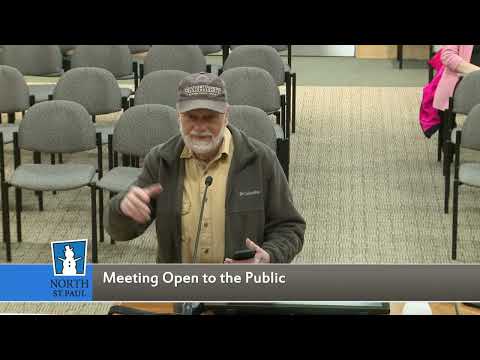
The issue drew public comment from a prospective local business owner, Eva Johnson, who said she plans to open a small, affordable wedding chapel at 2543 Seventh Avenue. Johnson told the council the building is under 5,000 square feet, that the chapel area would be roughly 1,500–2,000 square feet, and that her plan depends on allowing guests to bring their own alcohol rather than buying through a caterer. She said she would require a licensed bartender for events and is working with the city building official and fire inspectors on assembly‑space requirements.
City staff explained the state inspects such permits but does not mandate specific insurance for consumption-and-display permits, leaving the city discretion to require coverage. Staff noted the city’s $300 maximum fee would cover administration and background checks; the state fee of $250 funds AGED inspections. Councilmembers pressed staff on who would hold any dram‑shop liability and whether the city should require Minnesota Licensed Beverage Association (MLBA) or equivalent server training for anyone distributing alcohol at events.
After extended discussion, Councilmember McKenzie moved to table the ordinance; Councilmember Woods seconded. The motion carried by voice vote. Councilmembers instructed staff to return an updated draft that considers dram‑shop coverage, proximity restrictions similar to existing liquor‑license rules (for example near schools), and whether to make the permit administrative or a council decision. Staff said they would work with Jack (staff) and bring a revised proposal back at a near-term workshop or the next council meeting, with councilmembers indicating they preferred not to unduly delay the business owner.
The topic remains open; staff and city legal/administrative staff will return a revised draft with recommended insurance, eligibility and operational requirements for the council’s future action.