Get Full Government Meeting Transcripts, Videos, & Alerts Forever!
Get email alerts on the Public Engagement Flashvote topic
No spam. Unsubscribe anytime.
Titusville previews FlashVotes survey panel to speed citizen input; some members raise methodology concerns
Summary
FlashVotes representatives demonstrated a citizen-panel survey tool to the council and said the city’s panel can deliver scientific survey results within days; a public commenter raised concerns about volunteer bias and council members questioned sample randomness and sample sizes.
Titusville city officials on May 27 heard a 15‑minute overview from FlashVotes about a city-contracted online panel intended to give rapid, representative citizen input on local issues.
Kevin Lines, co‑founder of FlashVotes, told council members that the service combines a locally recruited panel with targeted random invitations and captures basic demographics at sign-up so surveys can be short and actionable. “Once that panel is built … we can go from an idea to a survey to survey results in a week or two,” Lines said. He added that from launch to results the company typically closes a survey in 48 hours and sees response rates of roughly 40 to 70 percent in that window.
City staff member Jim (city staff) said their panel effort had 666 confirmed users at the time of the presentation and that the recruitment pace exceeded typical timelines for comparable programs. FlashVotes staff recommended a target response range of about 200 to 600 completed responses for reliable local decision support and noted that a sample of roughly 96 respondents yields an approximate ±10 percentage‑point margin for a binary estimate.
Council members and staff asked several technical questions. Member Nelson asked how FlashVotes ensures randomness; FlashVotes described combining broad outreach with random selection from address databases and demographic balancing to reduce selection bias, and said the firm will show subsamples (by age, location or propensity-to-use) so councilors can compare groups.
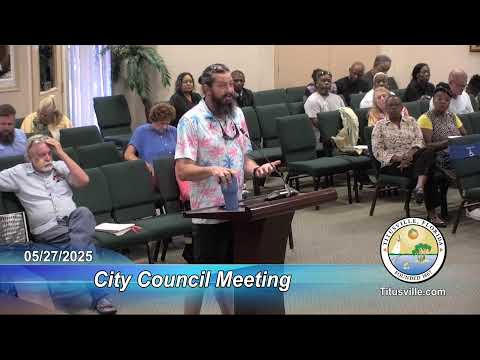
Public commenters raised methodological concerns. Dr. Kathleen York, speaking during public comment, said volunteer sign-ups create “a very serious bias called volunteer bias” and said she would not be comfortable relying solely on self‑selected respondents. The presenters replied that FlashVotes uses multiple recruitment channels—mail, utility bills, social media and random invitations—and that panels are periodically augmented by randomly selected residents to improve representativeness.
No vote or policy decision was taken. Presenters offered to send survey examples and draft questionnaires to council members and staff and to provide follow-up materials about question design, filtering by likely park users and phone-only response options.
FlashVotes representatives and city staff said the panel can be deployed for a range of issues, from parks and senior services to hot-topic tradeoffs, and that results are intended to provide defensible, scientific input to local decision-making.