Get Full Government Meeting Transcripts, Videos, & Alerts Forever!
Get email alerts on the Governance Board Operations topic
No spam. Unsubscribe anytime.
Board governance session highlights agenda‑item rules, committee tradeoffs and the need for clearer process
Summary
The Woodlands Township’s strategic governance session reviewed board operations, the role of committees and an existing rule requiring a second before a director‑initiated agenda item can be posted; the board chose to continue the current second‑to‑add rule for now.
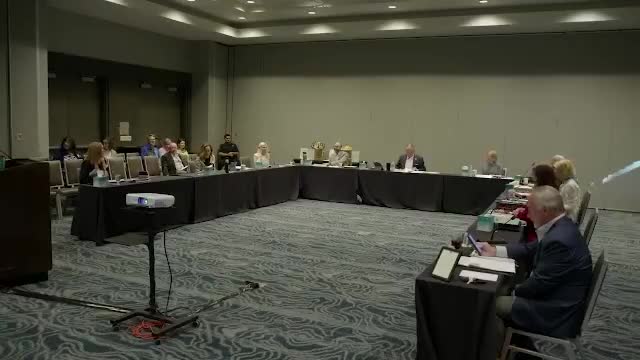
A strategic governance session at The Woodlands Township focused on principles of good governance, the board operations policy on how items reach the agenda and whether to broaden or narrow the standing/ad‑hoc committee structure.
Consultant Hillary Shine opened the session by urging clear direction and policy so staff can plan and the board can make consistent decisions. “We want to set those standards and expectations,” Shine told the board as she described governance roles, policy development and the need to prioritize. She emphasized clarity so staff can build budgets and business plans that match the board’s direction.
Board members then discussed the board‑operations policy that requires a second before a director‑initiated agenda item is added. Several directors said the second requirement has prevented items being weaponized for political posturing and helps staff manage requests; others said it can hamper urgent constituent requests and complicate legitimate pitches. “I think having a second has been a good policy,” one board member said, adding it has been useful in the past three years. Members also debated whether ad hoc committees — which allow deep dives into topics like public safety or the budget — create too much extra staff work or leave some directors feeling under‑briefed when committees meet.
The board took a procedural direction at the meeting: a majority signaled they would continue working under the current board operations policy that requires a second to put an item on the agenda, and directors agreed to revisit committee structure after the strategic discussions later in the session. Staff reiterated that Texas Open Meetings Act limits what can be discussed outside a posted agenda and explained that deliberation on unposted items must be avoided.
Why it matters: governance rules shape how issues reach the board and how staff prioritize work. Directors said they want deeper dives on subjects such as public safety and budgeting, but they also want to avoid creating too many standing obligations that strain staff capacity.
Ending: The board asked staff to return with options and clarifying procedures about committee charters, the agenda‑submission process, and a potential “2‑minute pitch” or similar formalized step for directors to propose agenda items while respecting open‑meeting law.