Get Full Government Meeting Transcripts, Videos, & Alerts Forever!
Get email alerts on the Financial Report topic
No spam. Unsubscribe anytime.
Township reports $2.1 million favorable revenue variance through February; hotel tax dip tied to January storm
Summary
Finance staff reported year‑to‑date revenues of $63.6 million versus budgeted $61.5 million, a $2.1 million favorable variance driven by sales tax and an unbudgeted county hospital district contribution; hotel occupancy tax was slightly below budget due to January weather cancellations.
The Woodlands Township's finance director reported to the board on March 26 that year‑to‑date revenues through February exceed the budget by roughly $2.1 million and that expenditures are underspent versus budget by about $3 million, largely due to timing of planned spending.
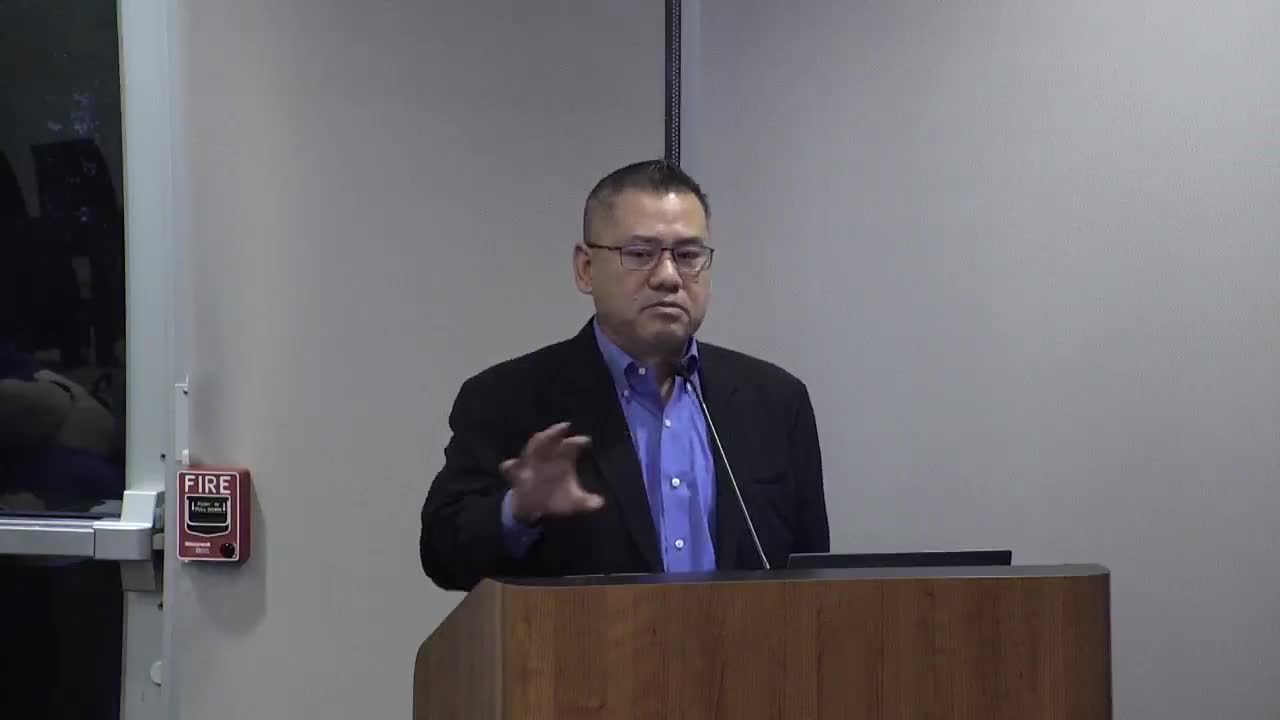
Kellen Schall, presenting the financial report through February, said "Year to date budgeted revenue is $61,500,000. Year to date actual collected revenue is $63,600,000 for a year to date favorable variance of 2,100,000.0." Schall attributed the favorable revenue variance primarily to stronger sales‑tax receipts and an unbudgeted Montgomery County Hospital District contribution of about $750,000 toward Station 5.
On expenditures, Schall reported a year‑to‑date budgeted amount of about $20.1 million versus actual spending of about $17.0 million, a favorable variance the staff described as timing driven across departments early in the fiscal year. Sales tax deposits through March 31 were $21.9 million versus a budgeted $20.8 million, a favorable variance of about $1.1 million; retail trade and manufacturing contributed to the gains.
Hotel occupancy tax (HOT) receipts for the reporting period were slightly below budget—$1.3 million collected versus $1.4 million budgeted, an unfavorable variance of $61,866. Staff explained that a January weather event caused cancellation or postponement of conventions and a weaker January stay pattern; February occupancy was stronger year‑over‑year.
The board moved to receive and accept the financial report; the motion carried on a voice vote. Staff offered to supply more detailed breakdowns of local contributions to transit and trolley programs if requested by board members.
What this means: overall revenues are ahead of budget in the early fiscal year, driven by sales tax and a one‑time unbudgeted contribution; hotel‑tax volatility tied to event cancellations affected HOT receipts in January but February improved.