Get Full Government Meeting Transcripts, Videos, & Alerts Forever!
Get email alerts on the Zoning Public Comment topic
No spam. Unsubscribe anytime.
Resident urges council to ease fence rules after crash; council points to zoning-board process
Summary
A long-time New Milford resident told the council she feels unsafe after losing a six-foot front-yard fence in a crash and objected to new ordinance and zoning procedures; council members and staff clarified that fence variance matters are decided through the zoning board and that statutory sight-triangle rules apply.
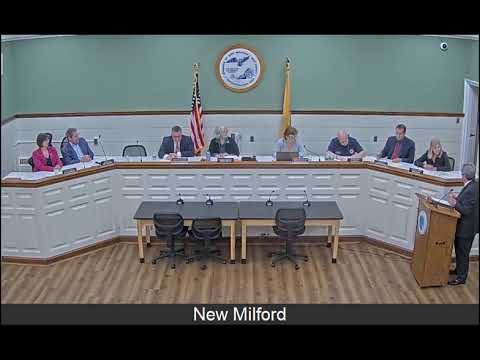
Connie Vasalo, a New Milford resident, used the meetingpublic-comment period to appeal to council members about a zoning decision that prevented replacement of a six-foot front-yard fence.
Vasalo said the fence had been in place for 21 years and was destroyed when a vehicle crashed through it; she described feeling "not safe" and said the borough's process left her "deflated" and discouraged about seeking a replacement. "We feel extorted, intimidated, and discouraged," she said, describing the expense and effort she was told would be required to pursue a zoning-board application.
Council members and staff responded that changes to fence-height rules and their enforcement are governed by the borough's zoning ordinance and that appeals or requests for variances must be heard by the zoning board of adjustment. A council member and other officials explained that sight-triangle and vehicle-safety rules can require fences to be set back from corners, and that those standards are applied consistently under state and local law.
Nut graf: The exchange highlights a common friction point between long-standing property conditions and updated sight-lines and ordinance changes. Council members urged the resident to pursue the formal zoning-board process if she seeks an exception, and staff described the legal limits on council action.
During the discussion several council members acknowledged the process can be costly and emotionally difficult; they also reiterated that the zoning board and planning reviews recommended the ordinance changes that the council subsequently approved.
Ending: Council did not reverse any decisions at the meeting; members encouraged the resident to submit an application to the zoning board and to request staff assistance with procedures and next steps.