Get Full Government Meeting Transcripts, Videos, & Alerts Forever!
Get email alerts on the Downtown Revitalization topic
No spam. Unsubscribe anytime.
Huntsville hears 5-year downtown action plan; downtown business leaders say they were left out
Summary
At its Feb. 18 meeting, the City of Huntsville heard a five-year strategic action plan for downtown from Downtown Strategies. Pamela Connor, president of the Huntsville Downtown Business Alliance, told the council the alliance felt excluded from the plan’s development and sought clearer city engagement for downtown merchants.
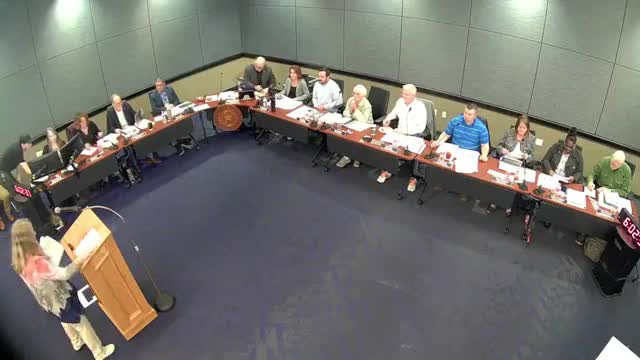
Jennifer Gregory, president of Downtown Strategies at Veil Strategies, presented a five-year strategic action plan for Downtown Huntsville at the City of Huntsville council meeting on Feb. 18. The presentation summarized public input, survey findings and short-term, actionable projects intended to increase downtown vibrancy and better connect the downtown square with Sam Houston State University.
The plan, framed as an implementation-focused complement to master plans, recommends four focus areas—policy and administration, design, tourism and promotion, and economic vitality—each organized by short-term and longer-term implementation buckets. Gregory told the council the plan prioritizes “incremental development” and “market-driven growth” and includes low-cost pilot projects aimed at improving parking, pedestrian connections, lighting, public art and programming.
Pamela Connor, president of the Huntsville Downtown Business Alliance, spoke during public comment and said the alliance felt under‑included in the planning process. “We really weren't included in the strategies report,” Connor said, adding that the alliance had been invited only to a public meeting and wanted a clearer role working with the city and Main Street. Connor said the Downtown Business Alliance is a nonprofit, membership‑based organization that has operated for 36 years, has no payroll except one social‑media representative, and runs recurring events downtown. She also told the council the alliance collects foot‑traffic data using people counters placed in downtown businesses to document event and visitor impacts.
Gregory summarized the plan’s research and public input: the consultant reported about 310 survey respondents, with 61 percent saying they had visited downtown within the past month and about 30 percent not having visited in more than three months. The plan identifies perceived problems including a limited business mix, parking and navigation difficulties because state highways bisect the square, and limited evening hours. It recommends actions to test solutions, such as targeted weekend hours tied to university events, branding and visible town‑and‑gown cues, strategic lighting and low‑cost streetscape improvements, and a clearer implementation structure that assigns roles to the city, Main Street and the Downtown Business Alliance.
Gregory placed particular emphasis on downtown–campus connections. The plan characterizes the walk from downtown to Sam Houston State University as roughly a half‑mile—about a 10‑minute walk—and recommends short‑term activation strategies to make that corridor more inviting. She also proposed that the city lead infrastructure and capital improvements, manage public parking strategies and coordinate with TxDOT on road improvements; that Main Street focus on policy and design advocacy and merchant engagement; and that the Downtown Business Alliance concentrate on promotions and event programming.
A councilmember who said they had served on the plan’s steering committee praised the campus synergy emphasis and cited recent athletic successes at the university as a potential draw for downtown. No formal action, motion or vote on the plan occurred at the meeting; councilmembers and staff will have further work to do to determine whether to adopt the proposed implementation structure or to prioritize specific items from the plan.
The Downtown Strategies plan and the printed handouts distributed at the meeting outline a series of short wins and longer‑term projects, recommended responsibilities for local organizations, and suggested investment levels for each strategy. The consultant said Veil Strategies’ Downtown Strategies division has worked with more than 200 cities in 26 states and with 35 college towns, bringing that experience to Huntsville’s plan. The plan is available in printed form to the council, and the city will determine next steps for review and potential implementation.