Get Full Government Meeting Transcripts, Videos, & Alerts Forever!
Get email alerts on the Education Programs topic
No spam. Unsubscribe anytime.
Olmsted Falls students showcase urban‑agriculture and home‑repair classes; $40,000 grant funded program supplies school cafeteria
Summary
Students and teachers presented two new elective courses — Urban Agriculture & Sustainability and Home Maintenance & Repair — showing composting, raised beds, a five‑unit hydroponic system, honey production and off‑site veteran repairs. The program started with a grant and is moving produce into the high school cafeteria as it scales.
Teachers and students described how two new hands‑on elective courses are growing at Olmsted Falls High School and beginning to supply the district’s cafeterias with student‑grown produce.
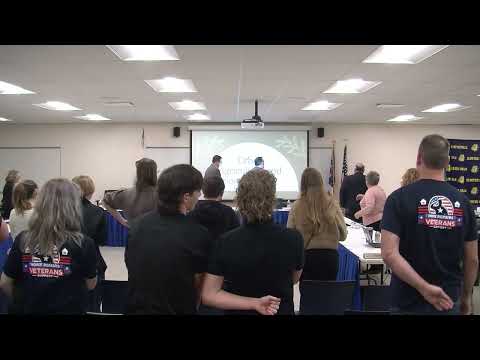
Urban Agriculture & Sustainability, taught by Jessica Jones, and a Home Maintenance & Repair course, taught by Sean Pellerite, are semester‑long electives focused on applied skills and community service. Jones told the board she wrote a grant that provided more than $40,000 to start the urban agriculture program; students said that grant money and community donations covered early equipment and classroom setup.
"Urban agriculture and sustainability … has been a passion," Jessica Jones said during the presentation. She described three student groups in the program: composting (including vermicomposting indoors during winter), raised beds and a hydroponic system located partly in classroom and cafeteria spaces. Students said the program currently operates five industrial hydroponic units; a student estimated each industrial unit at about $5,000 and said the systems have supplied leafy greens to the district cafeteria.
Students described practical work they have completed: installing compost bins in the kitchen and teacher lounge, rotating bed care through fall and winter, starting strawberries and root crops in outdoor beds, performing NPK and pH tests on soil, and addressing manufacturer defects in hydroponic tanks and seed germination (reported to the vendor and replaced). Students also described a beekeeping partnership; the program harvested honey and sold small 4‑ounce jars through local outlets.
Principal Scott Spagnuolo (identified in the transcript as a principal presenter) and teachers emphasized the social‑responsibility and career pathways these courses create. Jones said the program has created industry‑recognized credentials for students through a “Flex Farm” badging system and generated community partnerships: food service director Sam Chin helped label produce used in school meals, and community partners such as Youth Bee Works and local farms hosted field trips. Students listed field trips to a dairy operation (MVP Dairy), Ohio City Farms and the Ohio State agriculture campus to see larger‑scale and university research examples.
The Home Maintenance & Repair course emphasizes basic trades and applied construction skills. Students described a sequence of projects: measuring and cutting for shelving and workbenches, sanding and staining tables, framing walls, installing drywall, wiring basic circuits using code‑guided practices, and plumbing basics including PEX and copper. Teachers described a community‑service component: students have performed repairs for local veterans as part of an outreach program that pairs student labor with donated or sponsor‑provided materials. Students and teachers said the veteran projects included painting, gutter cleaning, drywall repair and plumbing fixes at multiple homes.
Teachers said the program intends to expand in spring and summer. Planned next steps include installing a greenhouse or hoop house in a 12‑by‑60 area of the courtyard, fencing the outdoor growing area, building a coop for chickens to provide eggs, and creating a summer maintenance/volunteer schedule to sustain crops and projects when students are not in class.
Board members and administrators praised the work and asked about sustaining the program during non‑school months; teachers said they plan to partner with clubs and community organizations and to use remaining grant funds for infrastructure such as a hoop house and fencing. Jones said the program has already placed student‑grown lettuce on the high‑school salad bar and is working to establish a regular production schedule so other school buildings can receive produce.
Student speakers credited the courses with improving hands‑on problem solving and teamwork, and teachers said the classes have high student demand and have become a top requested elective; Jones and Spagnuolo asked the board to note the program’s rapid growth and community connections as they continue planning.