Get Full Government Meeting Transcripts, Videos, & Alerts Forever!
Get email alerts on the Floodplain Hazard Management topic
No spam. Unsubscribe anytime.
Park County tabled decision on updated floodplain regulations after public concerns
Summary
The Park County commissioners opened a public hearing on updated floodplain hazard management regulations tied to the National Flood Insurance Program and voted to table action for one week after public comment urging stronger standards beyond the federal minimums.
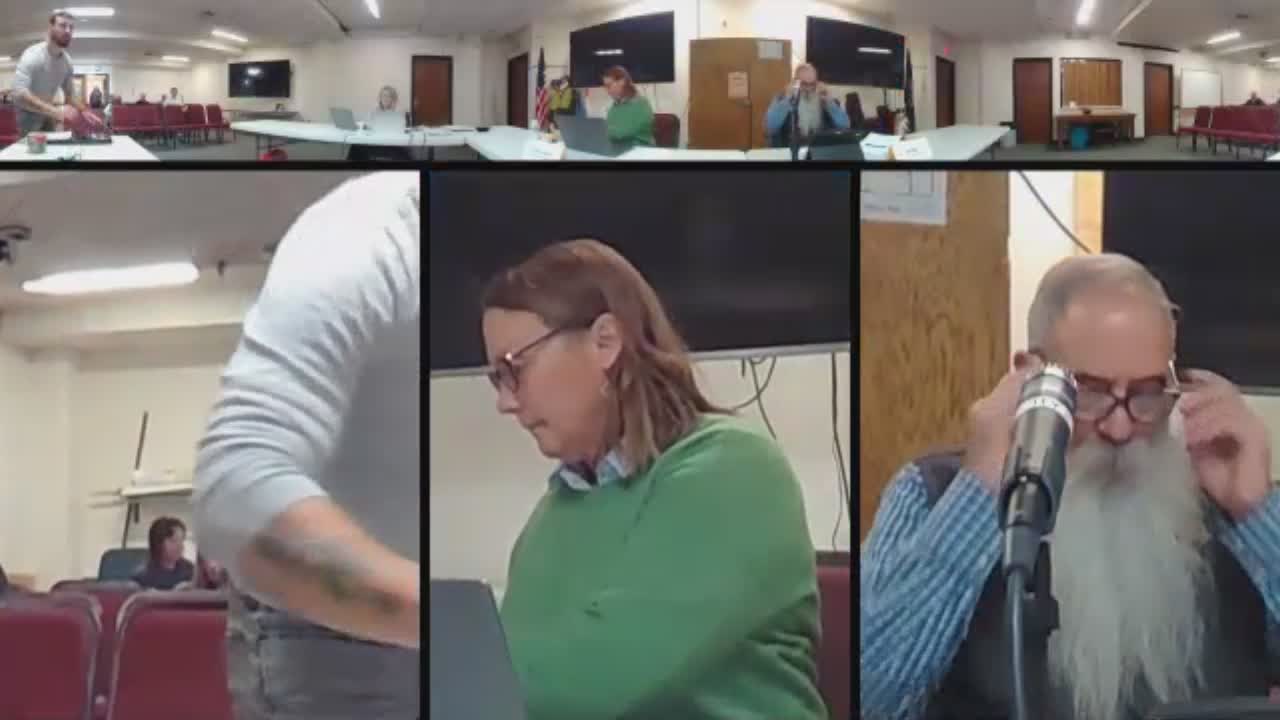
Park County commissioners opened a public hearing Tuesday on proposed updates to the county’s floodplain hazard management regulations, then voted to table adoption for one week after public comment urging stricter protections.
A county staff member explained the rationale for the draft update, saying Park County participates in the National Flood Insurance Program and that participation provides subsidized flood insurance for homeowners and eligibility for certain FEMA disaster recovery funds. “If we don't participate, we're not qualified for some of that funding during declared disaster events,” the staff member said, describing the tradeoff that requires the county to enforce minimum development standards in mapped floodplains.
The draft before the commission updates the county’s 2017 regulations to align with a 2022 state model issued by the Department of Natural Resources and Conservation (DNRC). The staff member said the county submitted a draft to DNRC and FEMA in December 2024, received concurrence in February, and that the county attorney cleared the draft in late March. The presenter described the 2022 model as largely clarifying and tightening definitions — for example, better defining “maintenance” — rather than imposing major new substantive requirements. The presenter noted the county reduced a review timeline in the draft from 180 working days to 60 working days and reminded commissioners any amendments would require DNRC and FEMA review before going into effect.
Jeanette Blank, a Livingston resident representing Montana Freshwater Partners, urged the commission to adopt stronger rules than the federal minimums, saying the county remains vulnerable after major flood events in 2022. Blank told commissioners she is concerned the updated regulations “still rely on minimum standards that are inadequate for addressing the real flood risks we face here in Park County.” She described ongoing damage, including failed riprap and continuing repairs to roads and bridges from 2022 and 2023 floods, and warned that continued development in mapped floodplains increases future disaster costs and risk to residents and county budgets. Blank said stricter local measures or zoning could reduce exposure and that the county’s existing lack of robust subdivision or zoning rules leaves residents more vulnerable.
After public comment and staff remarks, the commission closed the hearing and voted to table the decision until the next meeting to allow further consideration and because one commissioner was absent. The county staff member reminded the commission that any changes adopted locally would require subsequent DNRC and FEMA approval before the regulations take effect.
The commission did not adopt the updated regulations on Tuesday; the item is scheduled for further discussion at the next regular meeting.