Get Full Government Meeting Transcripts, Videos, & Alerts Forever!
Get email alerts on the Housing Affordability topic
No spam. Unsubscribe anytime.
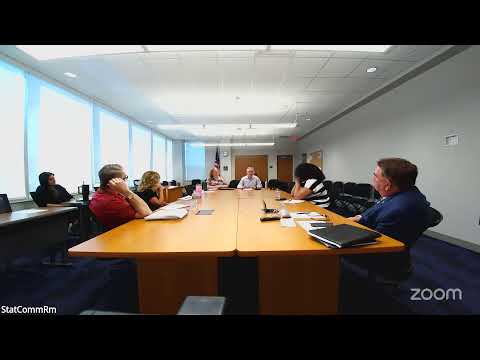
Orange County Housing Task Force hears data briefing on vacancies, affordability and transit gaps
Summary
At its second meeting, the Orange County Housing Task Force received a census-based presentation from county planners outlining a persistent housing shortfall, low homeowner vacancy, high renter cost burden and transportation and infrastructure constraints; no formal policy actions were taken beyond adjournment.
The Orange County Housing Task Force at its second meeting heard a data-driven presentation from county planners detailing vacancy, affordability and homeless-count measures and discussed possible local tools such as inclusionary zoning and transit improvements. Megan Tenneman, a planner and the county’s demographic and census data analyst, led the briefing.
The presentation used American Community Survey estimates to show the county’s housing gap: “As of the American Community Survey of, 2023, Orange County is big enough to have a survey done every year. So we have very current data. This is our population, our estimated housing units. We are estimated to have 12,000 vacant units,” Tenneman said. She explained that the largest vacancy categories are units for sale and for rent and that a significant share of other vacancies are seasonal or recreational units.
Tenneman said the homeowner vacancy rate in Orange County is about 0.9% and the renter vacancy rate about 4.4%, and noted the practical consequences of low vacancy: when vacancy falls below roughly 5%, “you can’t move” and market scarcity puts upward pressure on rents and prices. She told the task force that an estimated 57.5% of renter households pay 30% or more of their income on housing costs; about one-third of owner-occupied households exceed that 30% threshold.
Why it matters: low vacancy and high cost burden limit household mobility, raise the risk of eviction and increase reliance on emergency services and shelters. Tenneman noted county and regional homelessness counts and the limitations of a point-in-time count done in January, and the group discussed the McKinney-Vento Act categories that capture children in temporary living situations.
Task force members and staff discussed policy tools and constraints. Tenneman and other planning staff described inclusionary zoning as a municipal-level tool that some jurisdictions use to require affordable set‑asides in new multifamily developments; she cited a prior Walden inclusionary zoning provision as an example of a local ordinance that produced affordable units. The county’s role, Tenneman said, is largely advisory in GML 239 referrals and in providing data and technical assistance to municipalities.
Infrastructure and transit limitations were also prominent in the discussion. Staff described ongoing work to redesign transit in Middletown and Newburgh and said expanding service requires lengthy vehicle procurement and other lead times. The planners suggested microtransit or employer-focused shuttles as options to improve access to jobs where fixed-route service is impracticable.
On homelessness, Tenneman summarized HUD’s point-in-time framework and the county count: she said 779 individuals were counted in Orange County in the 2024 January point-in-time census and cautioned that that figure likely undercounts families and people hidden in doubled-up households, which the McKinney-Vento process captures for schools.
No formal policy votes were taken at the meeting. Staff indicated they are preparing a housing needs assessment update at the county level and that planners will continue to advise municipalities and encourage local zoning tools. The meeting concluded with a motion to adjourn and a second; the chair then closed the session.
The task force and planning staff identified several follow-up items for future work, including refining a county housing needs assessment, mapping municipal water/sewer capacity as a development constraint, and coordinating transit adjustments to connect job centers with housing opportunities.
Ending: Planners said the presentation and related materials will be posted online and staff offered to run additional, customized data analyses for legislators and municipalities.