Get Full Government Meeting Transcripts, Videos, & Alerts Forever!
Get email alerts on the Parks And Recreation topic
No spam. Unsubscribe anytime.
Milford dog‑park advocates pressed the board for a site plan; town and Conservation experts warn of wetlands and threatened species at preferred field
Summary
The Milford Dog Park Association asked the selectmen for clarity on a proposed 1‑acre dog park at 127 Elm Street; the group has about $37,000 in funds. Town staff, conservation volunteers, and Fish & Game representatives said parts of the preferred Brock’s/Heron Pond site are wet and host rare species, complicating development and permitting.
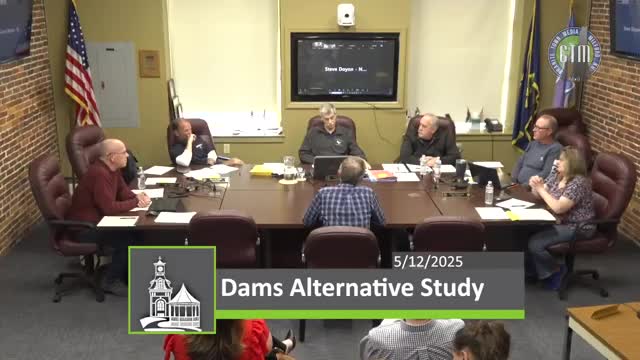
Milford Dog Park Association representatives told the Board of Selectmen on May 12 they have roughly $37,000 in fundraising and want to proceed with a one‑acre fenced dog park near 127 Elm Street (the site previously under consideration). The association said a major barrier is a required pedestrian crossing across a floodway/stormwater channel; preliminary bids for a footbridge were described as $75,000–$100,000. The group asked whether the board and town would continue to support that location or whether they should pursue alternatives (for example, land at Heron Pond Road).
Nicole (town staff) and other town representatives reviewed permitting and site constraints: the 127 site includes a stormwater channel and regulatory floodway and will require FEMA review; fencing in a floodway may require case‑by‑case negotiation with FEMA and possible design constraints (breakaway fences, elevated structures). The town’s trails/connectivity plan includes smaller and larger pedestrian crossing concepts; the smaller crossing and a larger crossing were both submitted to a local grant program (TAF) but grant response is pending.
Conservation and Fish & Game representatives raised environmental concerns for an alternate site at the south side of Heron Pond (Brock’s property), telling the board that New Hampshire Fish & Game’s non‑game and endangered wildlife species program had instructed the town not to mow that field April–October to protect reptiles and other species that use the site. A volunteer with the conservation group said the state’s Natural Heritage Bureau considers the exact species locations confidential; Fish & Game identified the presence of a Blanding’s turtle and a hognose (hognose/“hard‑nose”) snake in public remarks during the meeting. The conservation speaker said the field often ponds and supports species of greatest conservation need and that the town has received guidance to avoid mowing during key months.
Selectmen discussed alternatives: build a smaller temporary park at Heron Pond (which proponents said would “eat up” the $37,000 fund), pursue fundraising and a warrant article for larger capital (board members suggested a warrant article next year could ask voters for a one‑time appropriation to complete the full plan), or pursue private‑funded construction and donate the facility to the town (the association said it expected to assume most fundraising and upkeep responsibilities). The board asked the association to produce a simple site sketch/GIS snapshot for each proposed location and to work with staff to explore temporary crossing options and grant opportunities for the pedestrian bridge. Town staff said they would perform a site visit before committing to any location.
No formal vote or commitment of town funds was made. Board members suggested pursuing a phased approach: test a temporary crossing and fencing solution while continuing grant searches (including a TAF grant already submitted), develop a clear cost estimate for the bridge and long‑term site work, and consider a warrant article if additional taxpayer funding is needed.